
Climate Change Resilience and Adaptation Pathways for Africa’s Agricultural Sector
1 ✉ 2 3 4
- 1Department of Geography and Environmental Science, University of Calabar, Nigeria
- 2Food & Agricultural Organization, Calabar, Nigeria
- 3Silicon Blast, Calgary, Canada
- 4African Green Growth & Development Forum (AGDF) Calabar, Nigeria
https://doi.org/10.66845/dstem.2026.00002
Cite this article
Related Articles
Measuring Human Mycotoxins Exposure Using Biomarkers - A Review
Ukpai Eze
Dialogic STEM Journal · 2026
ArticleDesign, Prototyping and Testing of Mechatronic Spinner for Domain-Based Systems Thinking
Chukwuma Ogbonnaya and Chagary Ranjan
Dialogic STEM Journal · 2026
ArticleDynamic Differential Games of Nuclear Proliferation and Preemption under Uncertainty
Innocent Adinebo Katule and Akindele Michael Okedoye
Dialogic STEM Journal · 2026
ArticleGas Chromatography Method Development and Validation for Separating Non-polar Volatile Hydrocarbons
Perpetual Eze-Idehen
Dialogic STEM Journal · 2026
Contents
Abstract
Climatic condition in Africa is worsening with severe impacts on the agricultural sector. Promoting resilience through adaptive pathways is essential for sustainable agricultural security. This study employed multiple approaches to gather data from stakeholders across seven African countries, including surveys, key informant interviews, document reviews, and policy analyses. Data was analysed using Excel and R, with a two-pronged approach focusing on aggregated and country-specific insights. Responses to extreme events like droughts are often autonomous, driven by indigenous knowledge and capacities. Effective adaptation practices identified include agroforestry, early warning systems, altered planting times, migration, alternative livelihoods, and forest fire control, with many showing over 80% impact effec-tiveness. The success of these practices depends on local relevance, affordability, simplicity, and the ability to meet community needs. Agroforestry and early warning systems emerged as particularly viable strategies. The study rec-ommends scaling up and promoting the most promising adaptation practices to strengthen climate resilience across Africa’s agricultural landscapes.
Keywords
Full text
Reading view1. Introduction
Climate change remains a significant challenge affecting Africa’s climate-sensitive agricultural economy. Sensitivity rests on the intricate link between climate, agriculture, and ecological systems that support livelihoods and food security across various economic systems. In line with global climate change trends, many countries in Africa are presently grappling with the adverse impacts of climate change on agriculture, forestry, and other land- use (AFOLU). The corresponding outcomes on food security and sustainable development remain a critical source of concern for most agriculture-focused decisions owing to the unpredictability of climatic variables to prolonged floods or droughts as evidenced by irregular and unpredictable rainfall patterns, alteration of biodiversity, and the emergence of pests and diseases that affect animals and over 56% of all crops [1,2]. The corresponding agricultural impacts include reduced food crops, livestock production decline, hunger, poverty, and food insecurity. Concerted attention on the impact and effects of climate change stems from the intense pressures exerted on the African economy’s critical dimensions of food security, namely, food availability, food accessibility, food utilization, and food systems stability [3,4]. Agriculture systems are stretched as a result of increasingly unpredictable climate conditions, which lower food output, raise food prices, and make it harder to obtain wholesome food. As it stands, Africa’s food security is extremely unsatisfactory because the continent trails significantly behind Europe, America, and Asia [5]. In addition to adverse effects on economic systems and food insecurity, climate change also poses threats to human security by reducing water availability and undermining access to essential resources that sustain livelihoods.
The resultant effects all too often induce deprivation, hunger, and resource competition through conflicts that potentially reinforce downward trends to societal social instabilities. This trend is worrisome when considered in light of the fact that for each of the estimated 10 °C rise in the earth’s surface temperature, an approximate US$28 loss per hectare is incurred (6,7). Societal instability supports a decline in resource use-capacity, which increases the level of poverty, low quality, and standard of living [1,8,9,10]. Moreover, changes in climatic conditions, notably increases in temperature and precipitation patterns, negatively influence biodiversity, exacerbate the already prevailing strain on the water supply, and worsen the vulnerability of small-scale farming systems [11]. The effects of climate change on agricultural productivity in Africa in the face of the attendant population growth and increased food requirement demands; high levels of poverty, infrastructural weakness, lack of modernized technology and slow response mechanisms, reflect in the high-level vulnerability to climatic vagaries that potentially induce floods or drought conditions [12,13]. Almost every sub-region in Africa is experiencing an increase in food insecurity, with Southern Africa having the highest prevalence at 30.6%, followed by Eastern Africa (25.9%), Western Africa (17.6%), and Northern Africa (8%) [14]. Global economic losses due to climate-related agricultural impacts are estimated to reach $23 billion annually by 2050, primarily affecting low-income nations dependent on subsistence farming [15,16], and low agricultural productivity in developing countries is caused by non-improved farming practices, land degradation due to over-exploitation, poor enhancement of services such as agricultural extension, inadequate market access, and climatic factors such as droughts and floods [16]. Regions across the globe are experiencing more frequent heatwaves, prolonged warm seasons, and diminished cold seasons. Vulnerable areas, including Africa, bear disproportionate impacts, compounded by limited resilience capacities, Omokaro [17]. As a result, the combined effects of soil degradation, water scarcity, and biodiversity loss, if left unaddressed, will result in further declines in agricultural productivity, exacerbating the existing problem of food insecurity.
Adapting food systems to become resilient to climate change feedbacks is essential for promoting food security and poverty alleviation. Different countries in the world inclusive of Africa have made efforts to address the impacts of climate change through the provision of social, environmental and economic incentives for promotion of agroforestry agriculture through enabling adaptive innovative and ingenious approaches that allow for low carbon pathways. Foreign governments and International donor organizations have contributed to the provision of incentives to ensure farmers’ adaptation for effective development of the agricultural sector. Many of these incentives are geared towards increasing synergies among multiple land-use systems, including long-term management of ecosystems, including sustainable land management planning and decision making as well as climate change adaptation strategies at a variety of spatial scales [10,13,18,19]. Policymakers in various spheres have also focused on tackling the political, institutional, technical, social and economic challenges associated with its implementation [20]. However, significant gaps existing the nexus between the human and natural systems vulnerability status, the adaptation strategies driven by indigenous knowledge, their success levels and the conditions for their wider adoption across regions. This study bridges the identified gaps, while delineating the practices of agricultural resilience to climate change and their conditions for wider adoption. This is achieved through assessing climate change adaptation practices in Africa's agricultural sector, with a view to highlighting the vulnerability of natural and human systems to climate change through identifying the adaptation of agricultural systems and practices to changing flood and drought regimes.
1.1. Mainstreaming climate change adaptation strategies for integrated agricultural systems
Climate adaptation in agriculture is crucial, given the increasing risks posed by climate change, including erratic rainfall, prolonged droughts, and extreme weather events. Various strategies and interventions have been proposed to improve agricultural resilience, with forest-based intervention, Climate-Smart Agriculture (CSA), agroecology, and policy-driven interventions emerging as critical areas of focus.
Studies on forest-based adaptation to climate change have often focused on endogenous and autonomous mitigation interventions. Various studies that deal with adaptation interventions in drought or flood conditions [21,22,23,24] target small-holder farms and highlight the critical roles of exogenous adaptation measures focused on the resilience of agro-ecosystems through social, economic and ecologically sustainable agronomic interventions. Verchot et al. [25], Mbow et al. [26], Kandji et al. [27], and Syampungani et al. [28] as a climate change adaptation and mitigation measure to sustain the viability of agricultural productivity and livelihoods of farmers.
The practice integrating trees and shrubs into agricultural landscapes has been shown to improve soil fertility, enhance water retention, and reduce the vulnerability of crops to extreme weather events Similarly, conservation agriculture which involves minimum soil disturbance, crop rotation, and permanent soil cover has proven effective in restoring degraded soils, improving moisture retention, and increasing agricultural resilience in areas prone to drought [15,29]. However, the widespread adoption of sustainable agricultural practices remains a significant challenge, particularly in low-resource settings. The high costs of implementing climate-smart technologies, limited access to credit and financing, lack of technical expertise, and inadequate infrastructure hinder the ability of smallholder farmers to adopt these practices [29].
Ejiogu and Ejiogu [30] grouped agricultural adaptations into two levels, with level one depending more on farmers’ inputs, resources, including shifts in planting date, application of irrigation water to crops, and changes in crop variety to available varieties, among others. Level two includes adaptations to more substantial changes in agricultural systems, including investment in agriculture, incentives, infrastructure, and policy. Studies by Hassan and Nhemachena [31]; Adisa [32], Nwakwasi et al. [33], and Bishaw et al. [22] in identified a number of agricultural production support systems such as extension, credit, technology, and information about adaptation to climate change as critical for helping African farmers adapt to climate change.
Several other studies [31,32,34,35,36,37,38] have focused on the value of indigenous (endogenous and autonomous) adaptation practices including crop rotation, shifting cultivation, mulching, bush fallowing, use of organic manure, minimum/zero tillage, as well as polycultures or multi-cropping. However, some studies present a contradictory scenario of traditional practices in flood and drought interventions. For instance, in a study of Kanyemba, Mbire District, of Zimbabwe by Bola et al. [21], adaptation strategies for flood and drought were poorly achieved as a result of weak monitoring, dearth of facilities and services, poor social cohesion and planning. Whereas, in the rural coastal communities of Nigeria, principally among the Ilajes, Itshekiris, and Ijaws [39], the indigenous knowledge of local meteorology to predict flooding in real time was able to adapt livelihood and social events to the vagaries of climate change.
The combination of adaptation strategies, including crop diversification, improved irrigation, and indigenous knowledge practices, offers some resilience but requires substantial policy and financial support. Omokaro [17] highlights the urgency of implementing climate-smart agricultural practices, enhancing infrastructure, and promoting public-private partnerships to mitigate climate-induced risks. The global agrifood systems are therefore expected deliver on multiple fronts. It should feed the world, adapt to climate change, and drastically reduce its greenhouse gas emissions. In response to these challenges, Climate-smart Agriculture (CSA) has emerged as a holistic approach to end food security and promote sustainable development while addressing climate change issues.
Adger [40] argued that where community support and cooperation exist, people easily adapt to climate change impacts. Hence, social capital is an indispensable requirement to adapting to the effects of climate change. The study by Yaro, Bisong and Okon [34] recommends synergies between indigenous and planned adaptation to build the adaptive capacity of local people. However, Adger et al. [41], opined that an effective adaptation intervention should reduce both short- and long-term vulnerabilities without producing negative unintended impacts to the adapting agent. On the indigenous adaptation strategies adopted by farmers, Enete [42] identified various practices with relatively high profitability indices in Southeast Nigeria, which include multiple, intercropping or agro-forestry, mulching, and purchase, harvest of water for irrigation, and use of resistant varieties. Other factors identified as crucial to propelling farmers' investment in adaptation practices were age, level of formal education, and level of awareness of climate change issues. Onu and Ikehi [43] discovered that indigenous land husbandry through micro-climate management practices, agricultural infrastructures, drought-resistant species research, and strengthening laws are effective as adaptation practices in Nigeria. The study by Seo [44] conducted across nine thousand farms in Africa demonstrated that integrated farms are more resilient to global warming than specialized crop farms. The conclusion derived from some of these studies suggests that agricultural adaptation efforts should involve the adoption of holistic methods that integrate climate-resilient multi-cropping intervention options [23,24]. Identifying and evaluating adaptation strategies across countries of sub-Saharan Africa is therefore a crucial knowledge gap needing integrated adaptation interventions to address the climate change challenge.
1.2. Climate change adaptations: Theoretical underpinnings for adaptation intervention actions
The seminal work by Eisenack and Stecker [45] provides a unified framework for understanding climate change adaptation using “climate change adaptation as actions”. The framework is built around interrelated concepts and processes as ‘stimuli’, ‘exposure units’, ‘operators’ and ‘receptors. Stimulus is regarded as the ‘change in biophysical variables associated with climate change’ where exposure units comprise prevailing actors such as social, technical, ecological, and non-human systems that depend on climate conditions to result in the stimulus. The impact of climate change is accelerated by the level of interface between the stimulus and exposure unit, or a set of stimuli with a corresponding set of exposure units. The operators, in the form of individuals or collective actors (e.g., communities, institutions), include individuals, households, firms, Non-Government Organizations (NGOs), and government agencies. The actor or system that is the target of an adaptation is the receptor. Receptors can be both biophysical entities, like the crops of a farmer, or social systems, like the farmer's household, depending on the objective or unit of analysis. Adaptation enhancement demands that the operator utilize finance, legal authorization, technical capacity, information, and networks as resources. Barriers are factors that impede the implementation of specific adaptations, such as weak institutional capacity or budget constraints.
The significance of the framework is that it is applicable to tracking climate change adaptation and mitigation measures by multiple actors in diverse ecological zones, as obtained in the African region. Adaptation actions arise in response to climate stresses from at least one ‘actors’, such as an adaptation implementer. These include operators of households, firms, government, civil society agencies, and so on. The adaptation also targets beneficiaries as receptors comprising communities, farms, and families. The status and success of a given adaptation depend on the balance of influence exerted by barriers and determinants in operation.
2. Research Methodology
This study utilized the purposive sample design to delineate seven sub-Saharan African countries, namely Nigeria, Ghana, Tanzania, Zambia, Kenya, Ethiopia, and Zimbabwe, as study samples. These countries are selected based on geopolitical and ecological settings that adequately capture the study’s diversity in existing agricultural adaptation frameworks, socio-political structure, and institutions. Nigeria and Ghana represent West Africa, Kenya and Tanzania represent East Africa, Ethiopia represents the Horn of Africa, and Zambia and Zimbabwe represent Southern Africa (Figure 1).
2.1. Data collection and method of investigation
This study adopted the mixed-method analytical review process to obtain the required data. This involved using the stakeholders’ analysis, where multiple perspectives were drawn across the spectrum of experts and professionals in the public sector, namely Ministries, Departments, and Agencies (MDAs); Development Partners, Community-Based Organizations (CSOs), Non-Government Organizations (NGOs), and academia across the Agriculture, Forestry, and Other Land-Use (AFOLU) sectors. The target respondents were interviewed on climate change adaptation and mitigation interventions relevant to their respective sectors and countries. Interactive group discussion sessions were held with expert key informants at selected agencies during country visits. Other multi-methods employed included policy document analysis of relevant policy documents related to agriculture and climate change adaptation, such as the existing National Adaptation Program of Action (NAPA), with the view to delineate and evaluate existing or planned climate change adaptation and mitigation interventions in the AFOLU context. This provided a viable basis for cross-regional and country-level comparisons. Additional data were obtained from institutional and agency surveys. Two sets of e-questionnaires, containing both structured and unstructured questions, were designed to obtain data on impact areas such as climate vulnerability patterns, critical adaptation interventions, the success of given interventions in improving livelihoods, and conditions for adoption. The first set of questions was targeted at policymakers and MDAs, as well as NGOs & CSOs involved in climate change adaptation and mitigation interventions. The second sets of questions were directed to project managers of specific climate change adaptation projects related to agriculture. Three hundred and six (306) copies of a first-set questionnaire were sent to focal persons of AFOLU-related MDAs, CSOs, and research institutions. Seventy-seven (77) copies of the second-set questionnaire were sent to specific adaptation projects in agriculture in the countries sampled.
The data analysis assessed the success of various impacts and adaptation interventions using percentage rankings. In addition, a weighted scale from 0 – Nil to 5 – High was applied to various impact areas. The scores were transformed to percentages to determine their success levels on aggregated or specific impact areas. Descriptive statistics, such as means and standard deviations, were calculated and used to analyze response frequencies. The assigned success levels are:< 20 = No Impact; 20 - < 40 = Very Low;40 - < 60 = Low; 60 < 80 = Moderate;80 - 100 = High. Data collation and analysis were carried out using Excel and R statistics. A two-prong analysis involving aggregate data representing the continent and disaggregated data for a specific scenario or cross-country analysis was adopted. Matrix ranking was also used in rating the study variables.
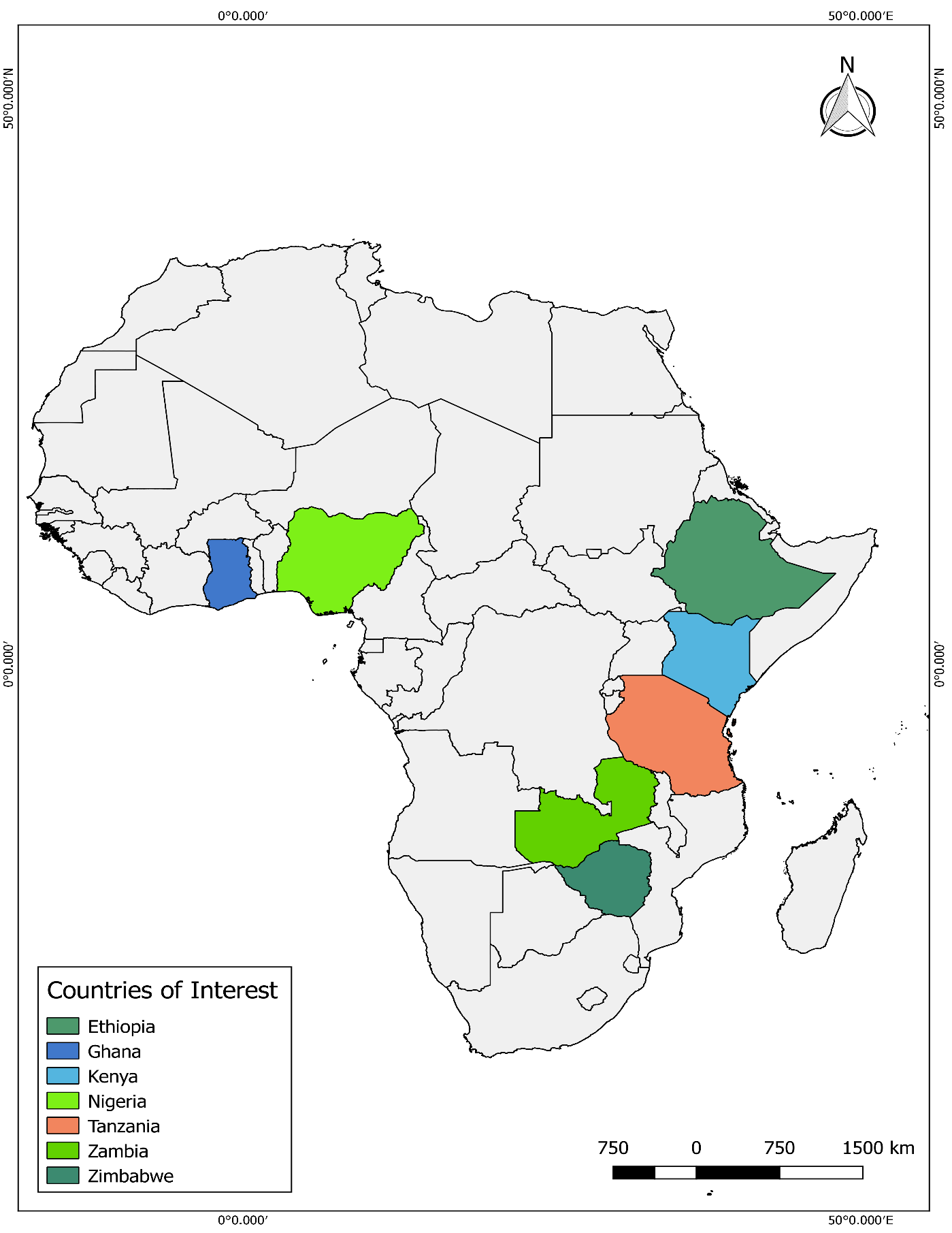
Figure 1. The study region showing country selection (Source: Open Africa (2020))
3. Results
3.1. Climate impact and vulnerability patterns on agricultural adaptation trends
Fifteen variables of climate change impacts on agriculture are identified within the study region are shown in Figure 2. These include conflicts, drought, floods, heatwave, invasive species, crop failure, migration, and bush fire, among others. The findings revealed the dominant climate change percentage indicators considered to include droughts(21.47%), floods (20.34%), crop failure (19.2%), and bush fires (14.68%) as critical among the selected climate change impact. This is in comparison to other low impacts, such as conflict (0.56%) and sea level (0.56%).
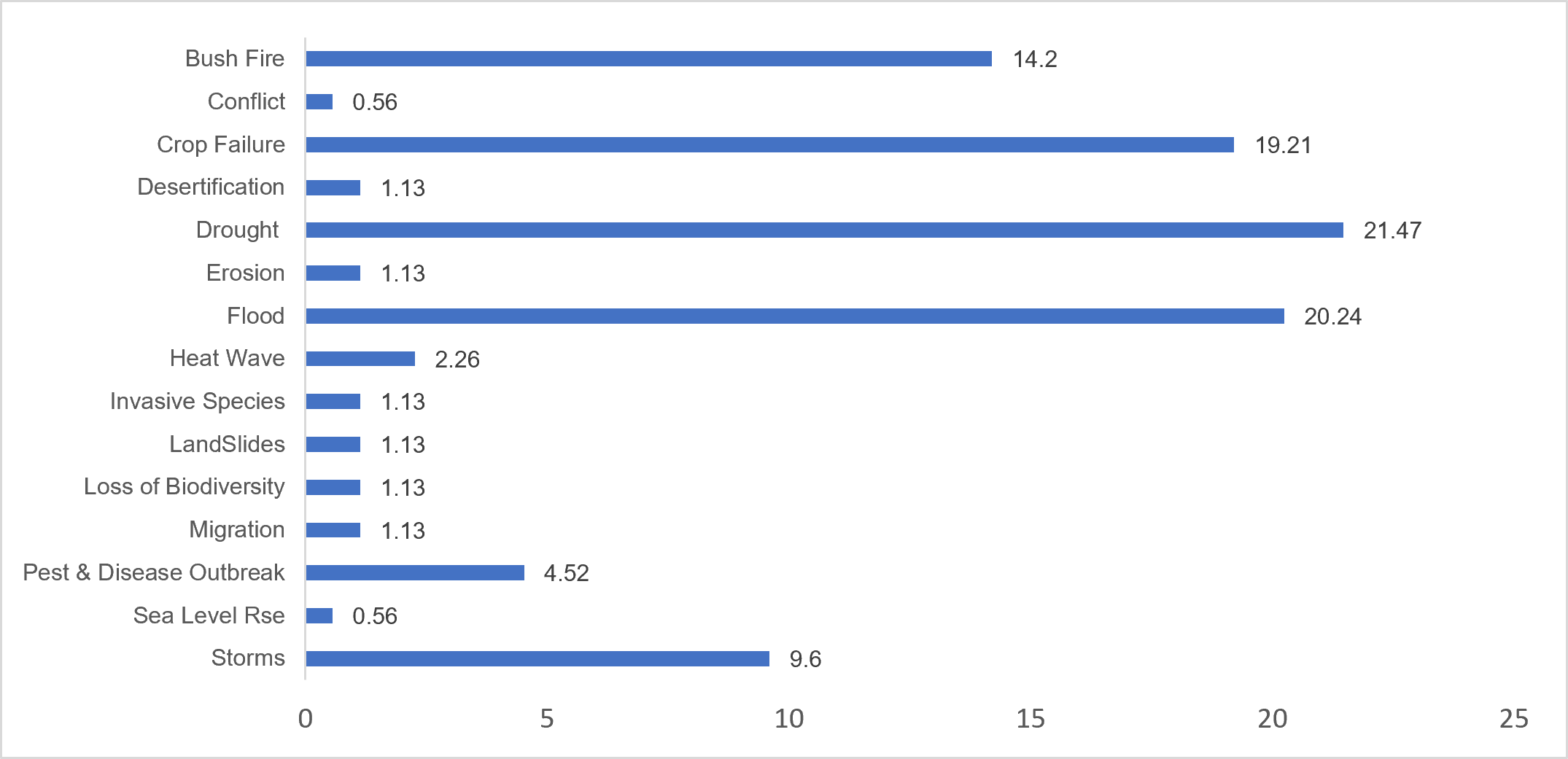
Figure 2. Climate change impact variables
3.2. Socio-economic vulnerability in Africa to climate change adaptation pathways
The vulnerability of human and natural systems to climate change variables and their prevailing socio-economic indices remain critical in gauging the adaptation pathways of systems. Figures 3a-3f illustrate the responses to the major critical socio-economic vulnerabilities to first-order impacts of climate change variants based on country-specific levels. It is seen from Figure 3a that the significant vulnerability indicators in Nigeria are hunger and food insecurity(17.65%), poverty (13.75%), and displacement or migration (11.76%). In Tanzania, Figure 3b illustrates that poverty(33.33%)is regarded as accounting for a high vulnerability, as indicated by other indicators such as income reduction, food insecurity, death of livestock, and diseases (11.11%) respectively.
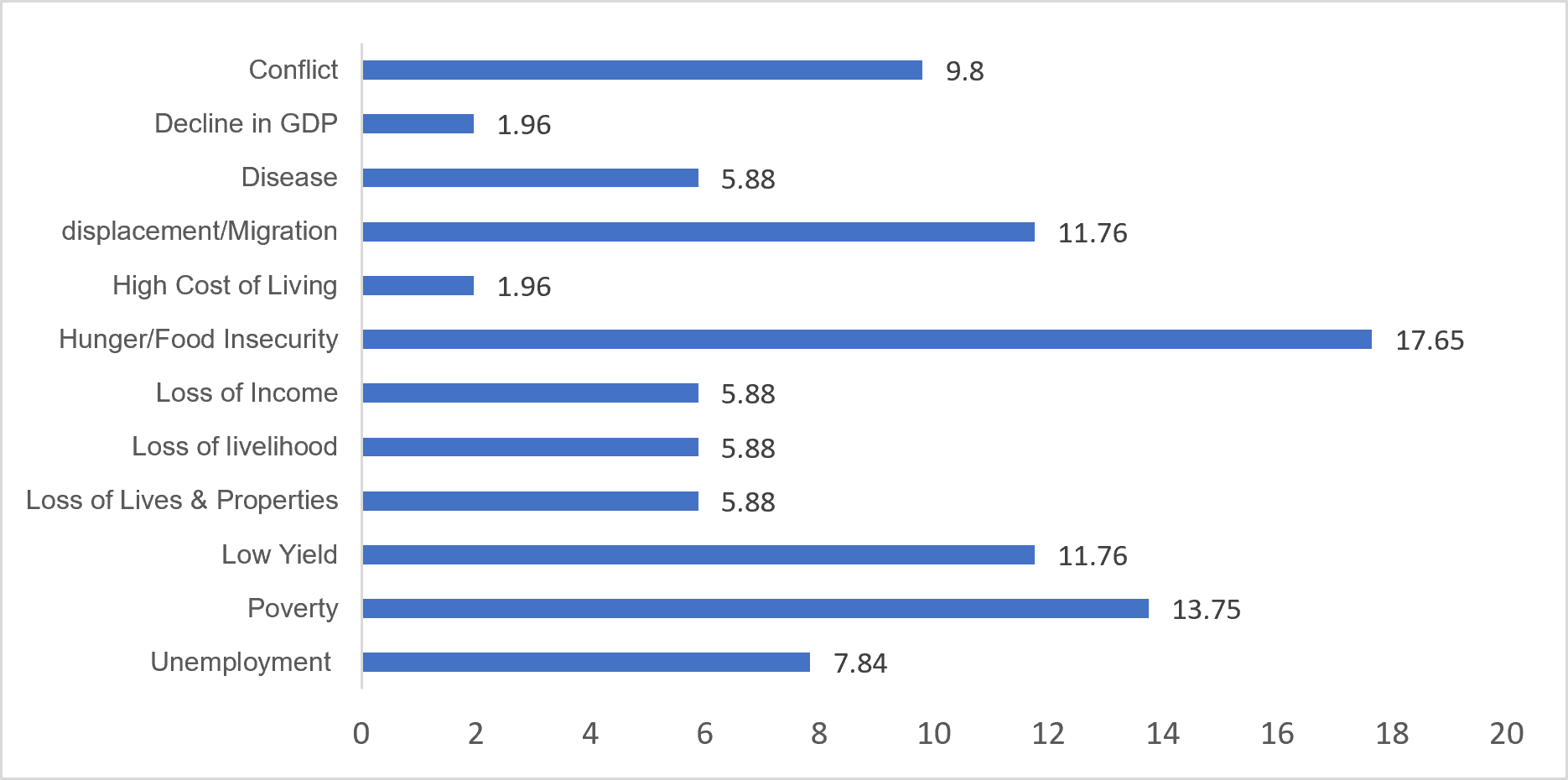
Figure 3a. Climate change socio-economic vulnerability in Nigeria
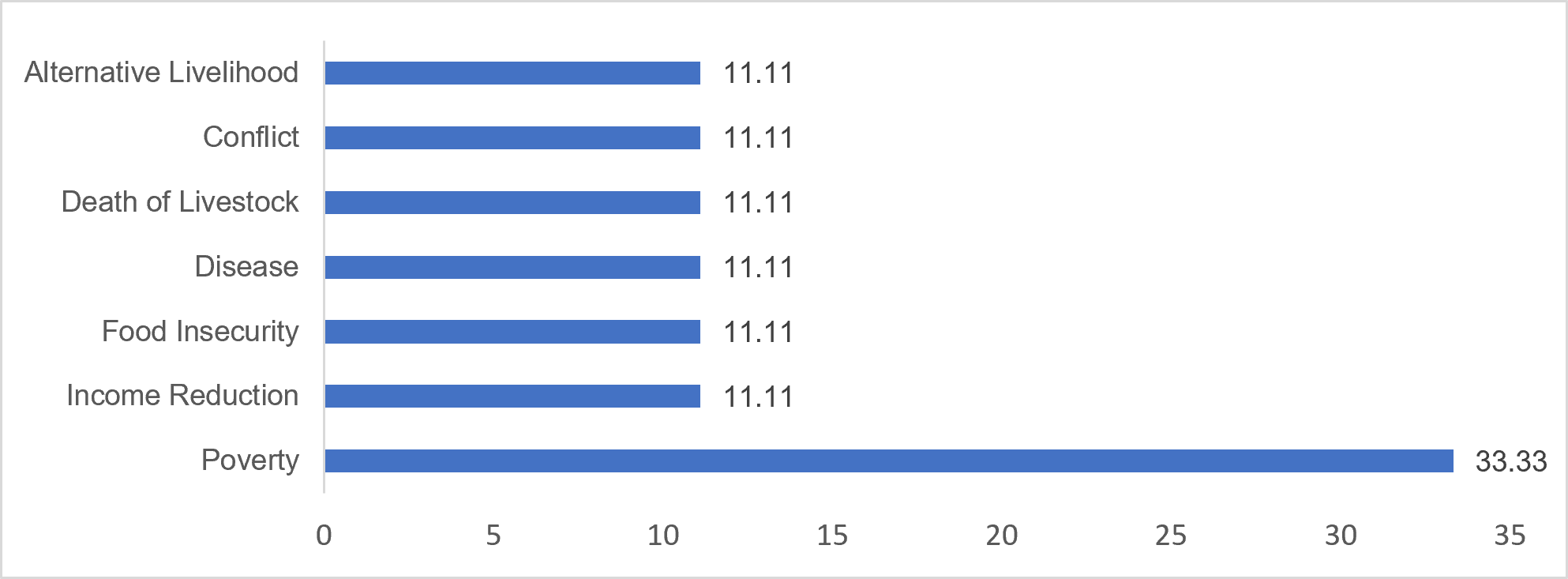
Figure 3b. Climate change socio-economic vulnerability in Tanzania
The climate change socio-economic vulnerability in figure 3c portrays the vulnerability for Zambia as hunger and food insecurity (31.25%), low agricultural yields (16.75%); low income (12.5%), diseases (12.5%) and decline in energy (12.5%). The Ghana scenario (figure 3d) also reflects poverty (21.05%), low yields (15.79%) and low income (15.79%). Vulnerability considered in Kenya (Figure 3e) pinpoints hunger (25%) as critical in addition to loss of livelihood (16.67%) and loss of livestock (16.67%). In Zimbabwe (3f), the socio-economic vulnerability tilts to malnutrition (33.33%) alongside reduction of crop yields, diseases, loss of livestock and livelihood (11.11%) respectively.
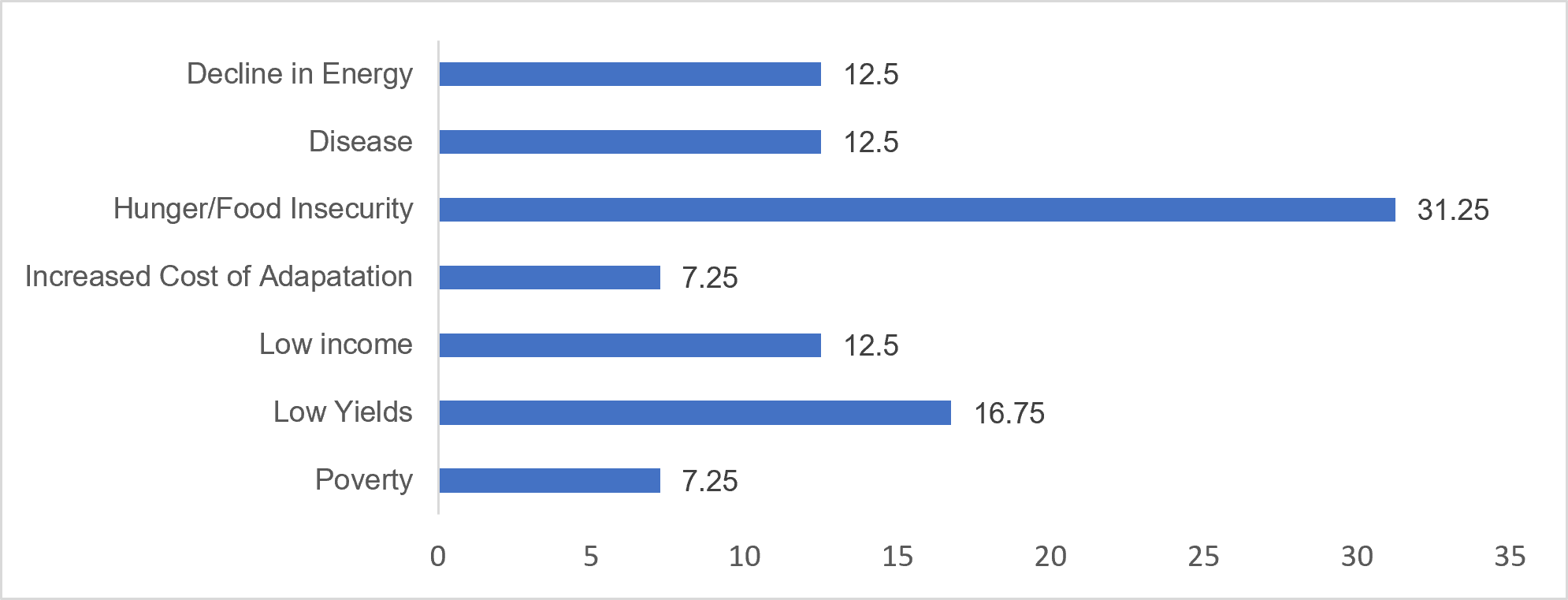
Figure 3c: Climate change socio-economic vulnerability in Zambia
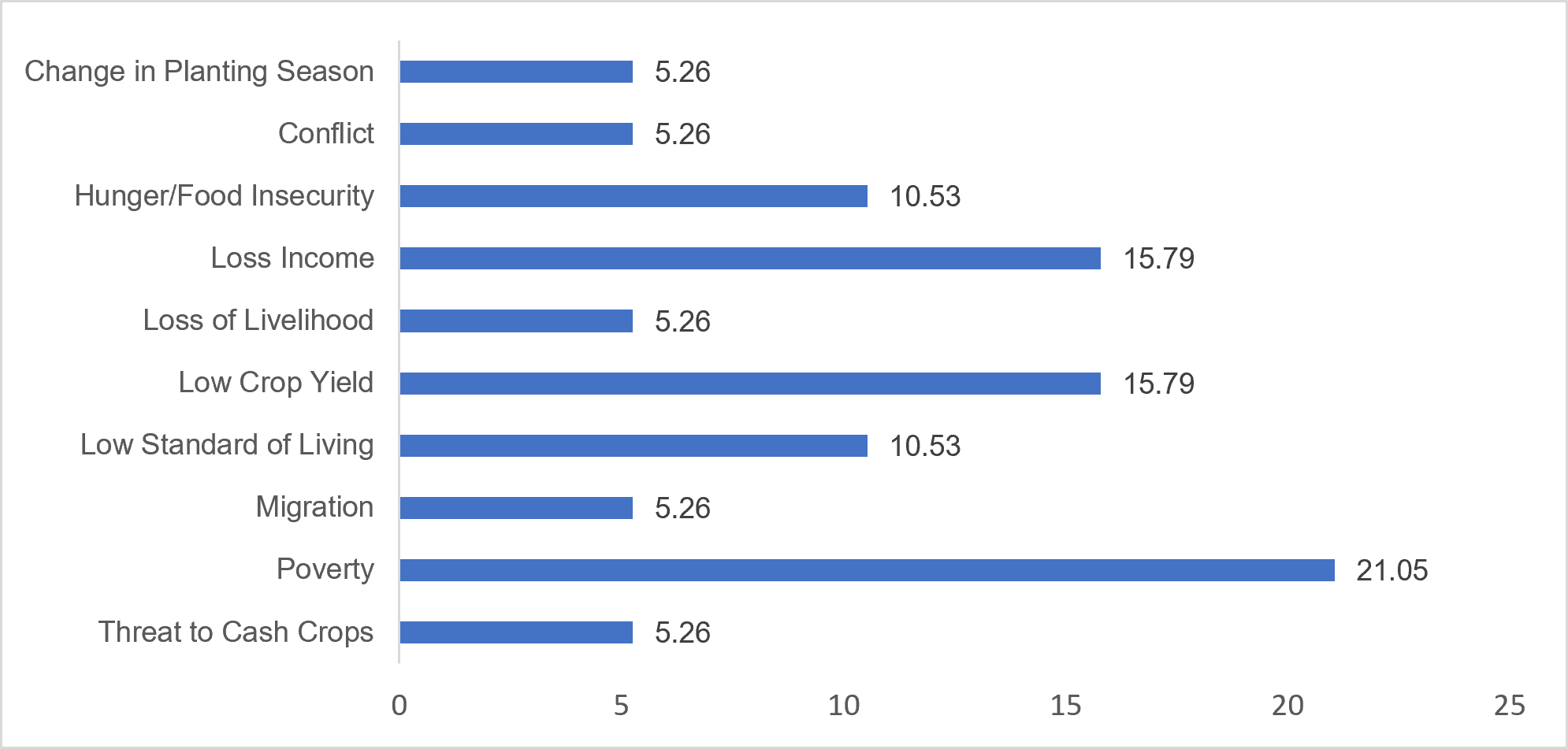
Figure 3d: Climate change socio-economic vulnerability in Ghana
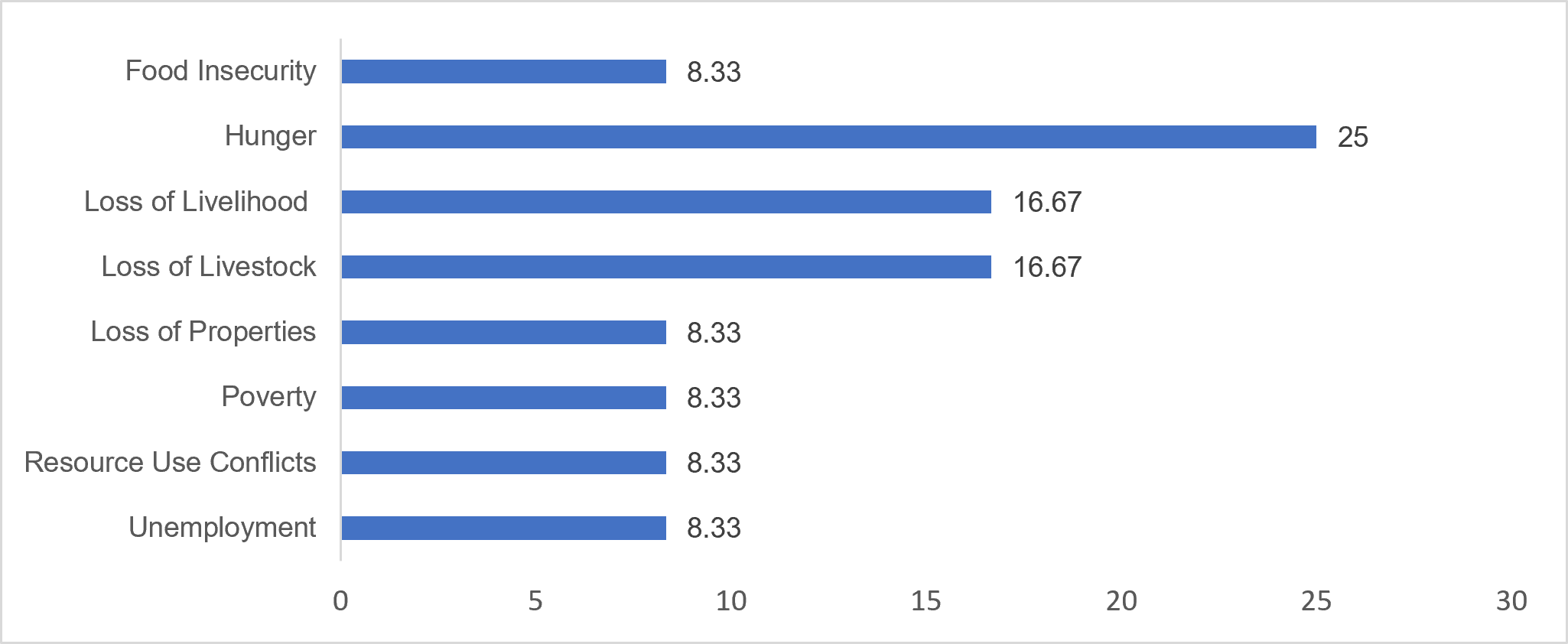
Figure 3e: Climate change socio-economic vulnerability in Kenya
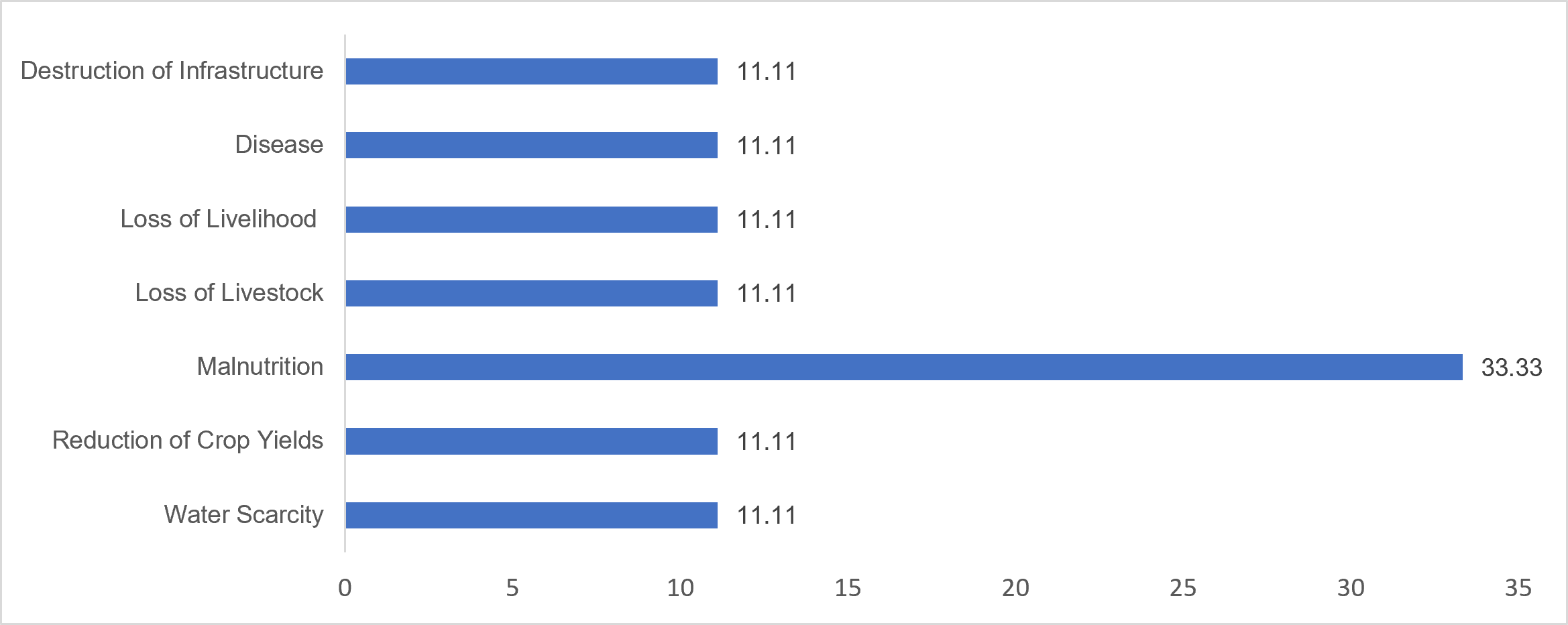
Figure 3f: Climate change socio-economic vulnerability in Zimbabwe
3.3. Biophysical vulnerabilities in agricultural settings for integrated adaptation
The integration of prevailing biophysical vulnerabilities with agricultural interventions is essential to sustaining climate change adaptation options. It is imperative to profile the existing biophysical vulnerabilities within the study samples (Figures 4a - 4f). The core biophysical vulnerabilities for Nigeria (Figure 4a) are deforestation (23.09%), water pollution (15.23%), soil or land degradation, and biodiversity loss (11.54%), respectively. The Ghana case-study (figure 4b) highlights loss of biodiversity and water insecurity (22.22%) respectively as critical biophysical vulnerabilities of climate change. This is in addition to both land degradation and forest cover loss (16.66%).
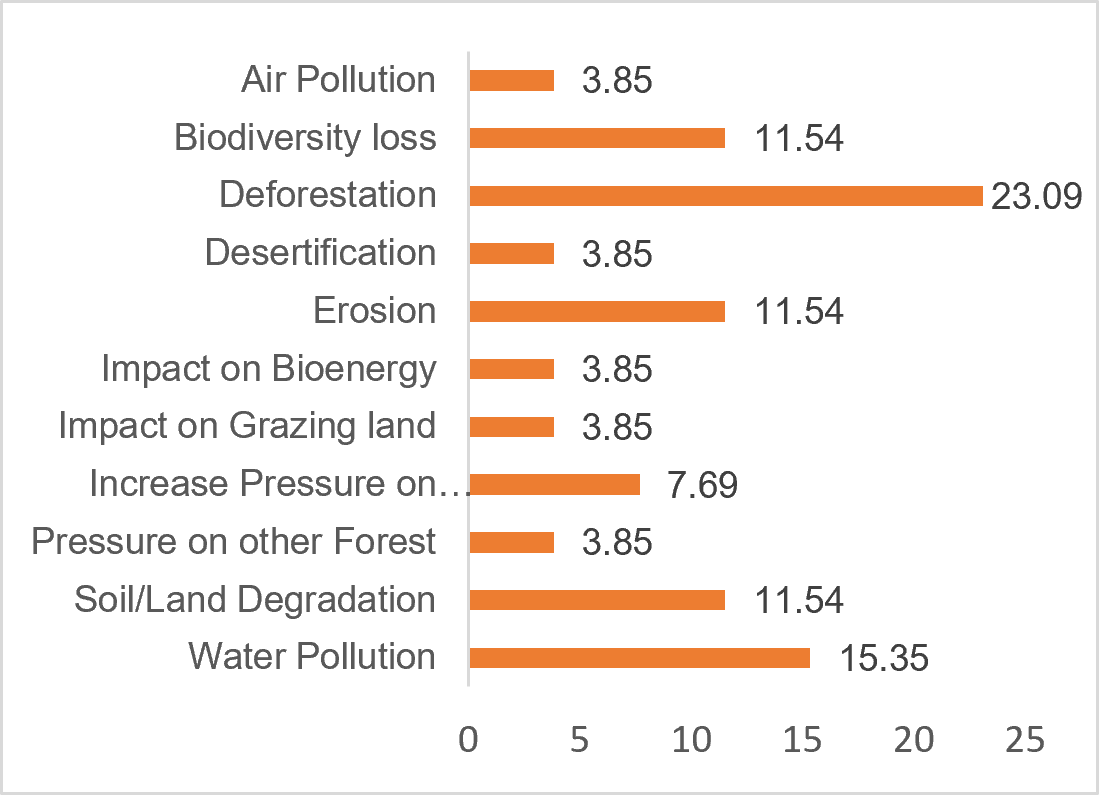
Figure 4a: Bio-physical vulnerability in Nigeria
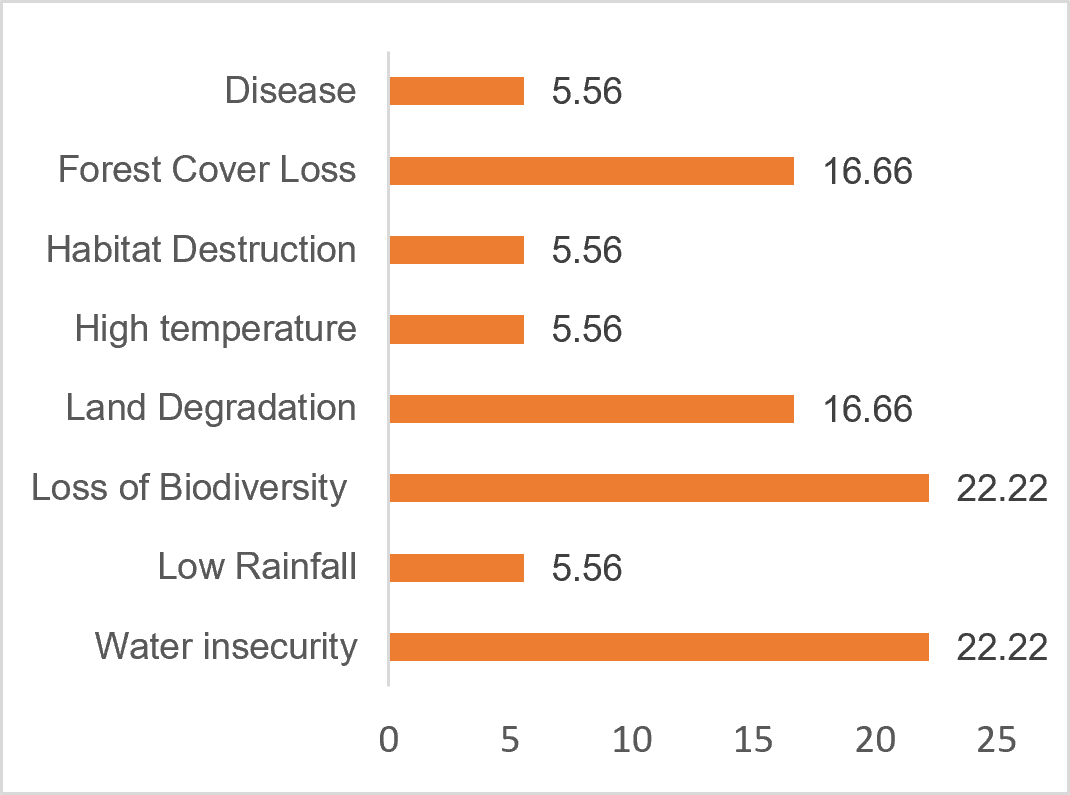
Figure 4b: Bio-physical vulnerability in Ghana
Climate change bio-physical vulnerabilities in Tanzania and Kenya (figure 4c-d) reflect significant impact on biodiversity. This accounts for the extremely critical 100% consideration in Tanzania. A75%vulnerability, followed by 25% of habitat loss in Kenya is applicable as observed (figure 4d). Environmental degradation (50%) is considered as a critical bio-physical vulnerability in Zimbabwe (figure 4e), alongside the reduction of flora and fauna and water pollution (25%). In Zambia, deforestation and land degradation (33.33%) reflect a distinct indicator of biophysical vulnerability in addition to change in rainfall patterns, destruction of non-timber forested products (NTFPs), habitat destruction, water scarcity, loss of biodiversity respectively gauged at 11.11%.
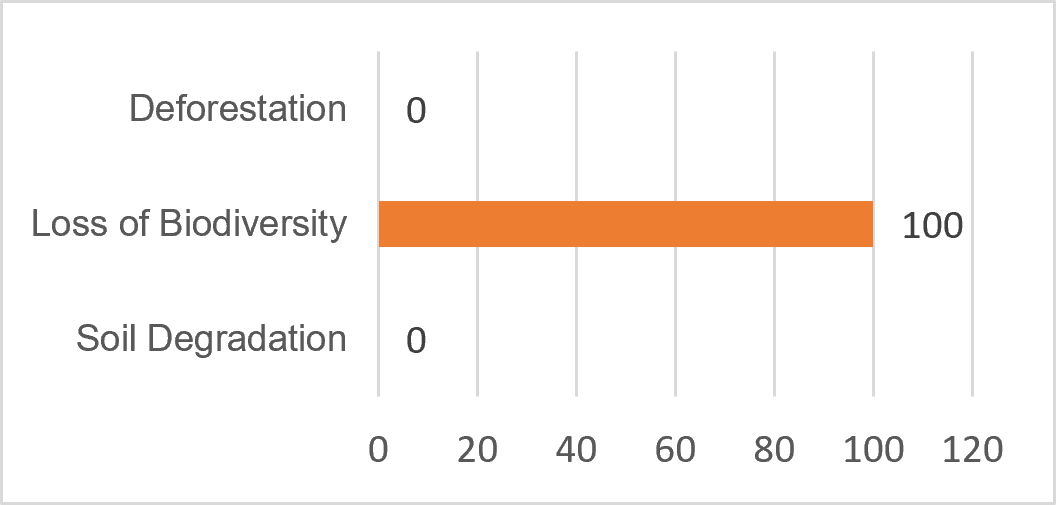
Figure 4c: Bio-physical vulnerability in Tanzania
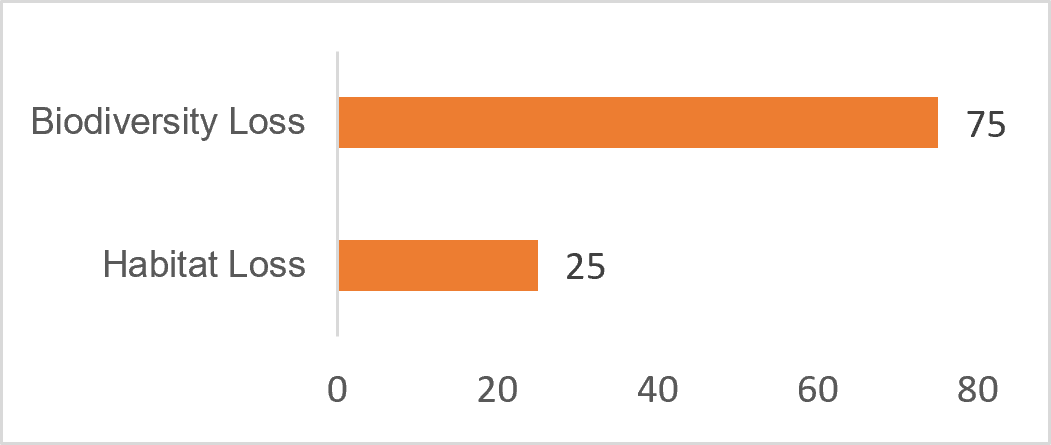
Figure 4d: Bio-physical vulnerability in Kenya
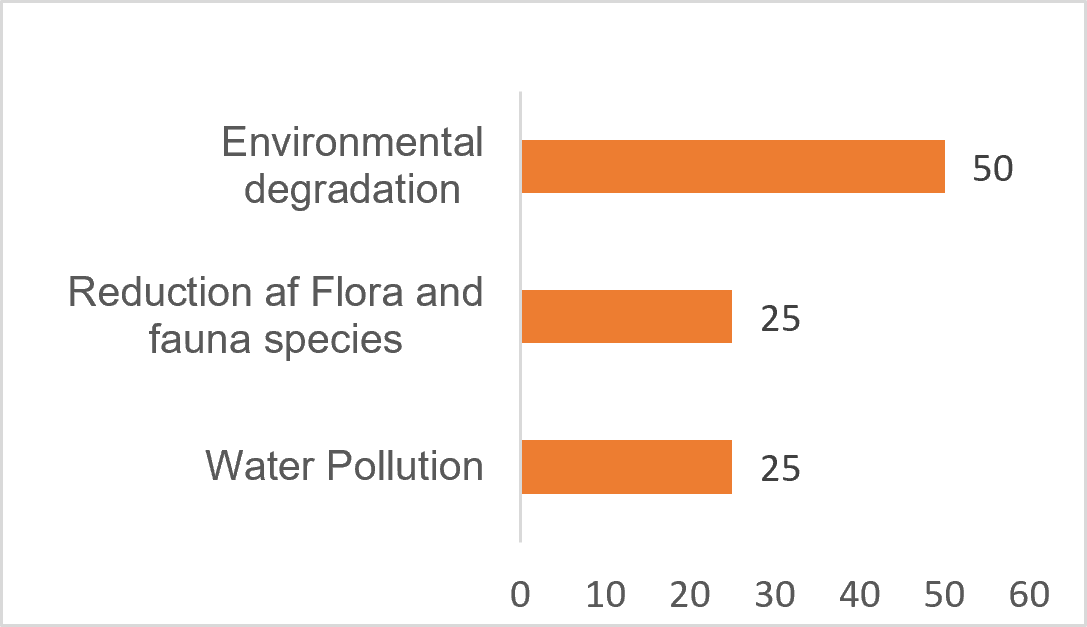
Figure 4e: Bio-physical vulnerability in Zimbabwe
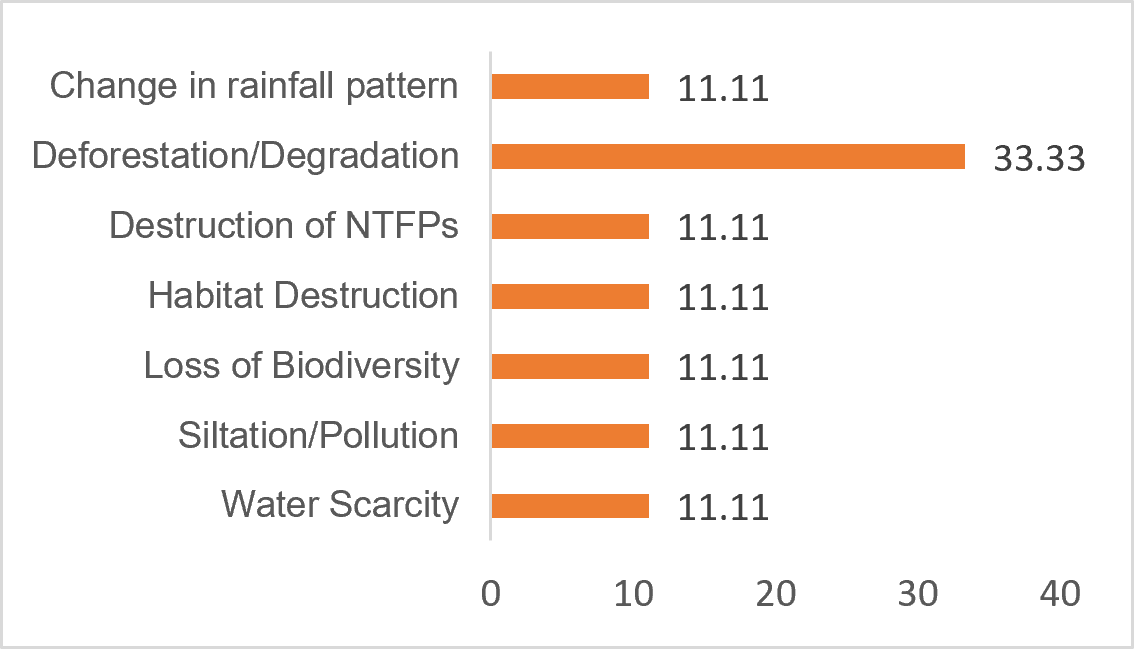
Figure 4f: Bio-physical vulnerability in Zambia
3.4. Adaptation intervention actions in the agricultural sector of Africa
Cross regional extant adaptation intervention practices in drought conditions within the agricultural sector is justified by the interconnectedness of adaptation mechanisms to induce actions [45].This framework, applied to water resource management, irrigation techniques, drought tolerant cultivar or breeds; early warning systems and agroforestry, provides a profile to delineate the structure of adaptation options in the African region. Attention is given to the adaptation type, operators or implementers that drive each intervention, means or resources available to the implementers. Adaptations including individual, household or community are referred to as autonomous. Adaptation practises largely driven by government and other corporate institutions are planned. Majority of adaptation options are principally driven as direct, autonomous and planned with the involvement of small- and large-scale partnerships. Tables 1-3 provide the adaptation intervention patterns across the eastern, western and southern African regions. These interventions are largely driven by a net pool of actions that are unique to the existing adaptation requirements. In the Eastern region, comprising Ethiopia, Kenya and Tanzania, adaption practices include rainwater harvesting, watershed protection; construction of dams, reservoirs and ponds (Table 1). Flood conditions adaptation interventions are typified by the use of agroforestry and multi-cropping, indigenous knowledge and migration. Drought-resistant species and the promotion of improved or productive animal breeds arefrequently employed for drought-prone species. Early warning systems make use of scientific knowledge and advanced technological information on drought and flood to enhance the resilience of vulnerable communities. These actions are fostered through the various households, community, Ministries, Departments and Agencies (MDAs) amongst other institutions.
Table 1: Adaptation Intervention for the Eastern African region (Ethiopia, Kenya & Tanzania)
|
Adaptation Intervention |
Adaptation Practices |
Type |
Operator (Implementer) |
Means |
|
Water management |
Rainwater harvesting |
Autonomous reactive &Direct |
Individual/household of resource users |
Individual/household resources, capacity building by Non-Governmental Organizations & donor agencies |
|
Water shed protection |
Autonomous/planned, direct & facilitating |
Community; Ministries, Departments &Agencies (MDAs) |
Donor Agencies; Community resources, NGOs capacity building & legal authority |
|
|
Dam and réservoirs construction |
Planned, anticipatory &Facilitating |
Ministry of Water, Irrigation & energy |
Funding by donor agency |
|
|
Flood Condition |
Construction of Dams and ponds |
Autonomous/planned, Direct & reflexive |
Farmers, Ministry of Agriculture and Environment; Forest, &NGOs |
Community resources, extension services |
|
Timing/changing planting period |
Autonomous/planned, Direct & reflexive |
Community, Farmers, Ministry of Agriculture & natural resources |
Indigenous Knowledge, community resources, extension services |
|
|
Migration |
Autonomous & Reactive |
Farmers/community |
Indigenous Knowledge |
|
|
Drought Tolerant Species |
Drought resistant and early maturing cop varieties. (Drought Tolerant Maize for Africa (DTMA) Project) |
Planned, Reactive; Direct & facilitating |
Capacity building IITA & CIMMYT; funding by the Bill & Melinda Gates Foundation and the Howard G. Buffett Foundation. |
Ministries, Departments &Agencies (MDAs) in agriculture; International Maize and Wheat Improvement Center (CIMMYT); International Institute of Tropical Agriculture (IITA); IFAD; Non-governmental Organizations (NGOs)& CBOs |
|
Promotion of improved/productive animal breeds |
Planned& Direct |
Climate Resilient Green Economy (CRGE) |
Ministries, Departments &Agencies (MDAs) in agriculture |
|
|
Early Warning Systems |
Using scientific knowledge and advanced technological information on drought and flood to enhance the resilience of vulnerable communities |
Planned; Anticipatory & Direct |
Weather information; Funding from government |
Agricultural Research; Ministries, Departments &Agencies (MDAs) in Environment, Agriculture and Forestry; Non-governmental Organizations & Community-Based Organizations |
|
Agroforestry |
Multipurpose trees |
Autonomous/planned & Direct |
IK, Environment Protection Authority; Forestry Commission |
Community & Ministry of Agriculture |
The adaptation intervention in the western region of Nigeria and Ghana illustrate the actions that characterize integrating various practices into water management, flood conditions, drought resistant species, early warning systems and agroforestry. The major adaptation type includes autonomous, direct and reflexive (Table 2). The agroforestry initiatives include the use of mixed tree and crop farming. The operator or implementer range from the community to appropriate Ministries, Departments and Agencies (MDAs) in agriculture and relevant affiliate institutions. Indigenous knowledge systems, funding from public and private sectors, community resources constitute viable means to activate the adaptation actions.
Table 2: Adaptation Intervention and the Western African region (Nigeria and Ghana)
|
Adaptation Intervention |
|
Type |
Operator (Implementer) |
Means |
|
Water management |
Protection of catchment |
Autonomous, direct & reflexive |
Community |
Indigenous knowledge; community resources& legal authority |
|
Construction of Dams |
Planned, anticipatory; direct & facilitating |
Ministry of Water Resources, Agriculture & River basin Authority |
Funding from government& donor agencies. |
|
|
Development of pond |
Planned& facilitating |
MDAs in Agriculture and Forestry |
Funding from government & donor agencies |
|
|
Crop integration with livestock |
Planned, Autonomous, direct & reflexive |
Farmers; MDAs in Agriculture and Forestry |
Funding from government &donor agencies |
|
|
Flood Conditions |
Dam construction and embankment at flood plains, migration to other areas, use of species with short maturity time |
Planned & Direct |
Ministry of water resources and housing; Water resource commission; MOFA |
Funding from government; NGOs; Capacity building, community resources |
|
River basin management, embankment in areas along coastal areas |
Planned & Direct |
Ministry of Water Resources; River Basin development Authority, Ministry of Environment |
Funding from government; NGOs; Capacity building, community resources |
|
|
Drought Tolerant Species |
Drought resistant crops such as cassava and maize (DTMA Project) |
Planned& direct |
Capacity building IITA & CIMMYT; funding by the Bill & Melinda Gates |
MDAs in Agriculture IITA; CIMMYT, |
|
Planting drought resistant feeds. |
Planned& direct |
Funding from government; Capacity building, community resources |
Ministry of Food and Agriculture (MOFA); |
|
|
Early Warning Systems |
Provision of weather information on drought and flood |
Planned; Anticipatory & Direct |
Funding from government; capacity building from NGOs |
Meteorological Agency |
|
Indigenous knowledge system using various indicators for predictions; |
Autonomous; Anticipatory & Direct |
Indigenous knowledge |
Community |
|
|
Agroforestry |
Mixed tree and crop farming |
Autonomous |
Adaptive capacity by NGOs |
Community |
|
Livestock-crop integration, |
Autonomous & facilitating |
IK; Government Funding, CSOs capacity building |
Community, MDAs in Agriculture |
Zambia and Zimbabwe utilize adaptation interventions in water management and flood prone areas that involve water harvesting, river basins management, inter-basin water transfer and migration. These interventions are essentially planned and comprise of construction of dams and ponds, timing of planting seasons, use of species with short maturing period and embankment along coastal areas (Table 3).
Table 3: Adaptation Intervention and the southern African region (Zambia and Zimbabwe)
|
Adaptation Intervention |
Adaptation Practices |
Type |
Operator (Implementer) |
Means |
|
|
Water Management |
Water harvesting |
Autonomous & facilitating |
Community resources, Indigenous knowledge |
Community |
|
|
River basins Basin management, (African dams project) |
Planned and facilitating |
Donor funding (CCES) |
Zambezi River Authority (ZRA); Ministry of Energy and Water Development; Swiss competence center of environment and sustainability (CCES) |
||
|
Networking of dams and weirs; water transfer |
Planned; direct &facilitating |
Donor Funding; national government |
Ministry of water resources; Ministry of Tourism Environment and Natural Resources |
||
|
Flood Condition |
Inter-basin water transfer to areas of scarcity, |
Planned & Direct |
MDAs in water resources; Agriculture; Environment; Natural Resources Energy & climate change |
Funding from international donors & government; NGOs; Capacity building, community resources |
|
|
Migration |
Reactive and reflexive |
Community |
Community |
||
|
Drought Tolerant Species |
Promoting early maturing and drought tolerant crops (DTMA Project) |
Planned &direct |
Support from IITA & CIMMYT; funding by the Bill & Melinda Gates Funding by government; Capacity building by Non-Governmental Organizations (NGOs) |
Ministry of Agriculture and Cooperatives, |
|
|
Early Warning Systems |
Research and provision of data |
Anticipatory & Direct |
Government funding; International donors |
Meteorological Agency |
|
|
Use of indigenous knowledge for climate change forecasting and early warning systems. |
Autonomous and Direct |
Indigenous knowledge |
Community; Non-Governmental Organizations |
||
|
Agro-Forestry |
Catchment area rehabilitation through Agro-forestry, trees and fodder, |
Planned &Direct |
Incentives by govt. |
Ministries, Departments & Agencies in Agriculture, Forestry, Environment, Water and Climate change |
|
3.5. Promising practices on AFOLU-based adaptation measures and conditions for wider adoption
The most successful adaptation interventions within the study region were determined using a pooled, aggregated rating of 46 interventions. These included awareness and sensitization; collaboration of stakeholders, agroforestry, capacity building, rainwater harvesting, alternative livelihood, control of forest fires; ecological restoration, enterprise diversification, extension services for climate-smart agriculture, early warning system; irrigation; plantation establishment, REDD+ adoption, and utilization of high-yielding cultivars or breeds, and so on (Figure 5). The interventions were classified based on their effects on livelihood improvement, the extent to which target beneficiaries were reached, the extent of adoption, the utilization of the interventions, the extent of women's participation, and the extent to which the targeted climate change challenge was resolved. On the aggregate basis, eleven climate change adaptation interventions are evidently considered as highly successful in attaining a score of 80% and above on the weighted scale. These include i) agroforestry in Nigeria, Tanzania, and Zimbabwe; ii) alternative livelihood within Ghana & Zambia, iii) control of forest fire and iv) ecological restoration in Nigeria; v) enterprise diversification in addition to vi) extension services for climate smart agriculture in Zambia; vii) irrigation and viii) plantation establishment in Ghana; ix) REDD+ in Zimbabwe) use of high-yielding cultivars/breeds in Kenya and xi) the use of drought-resistant cultivars in Ghana.
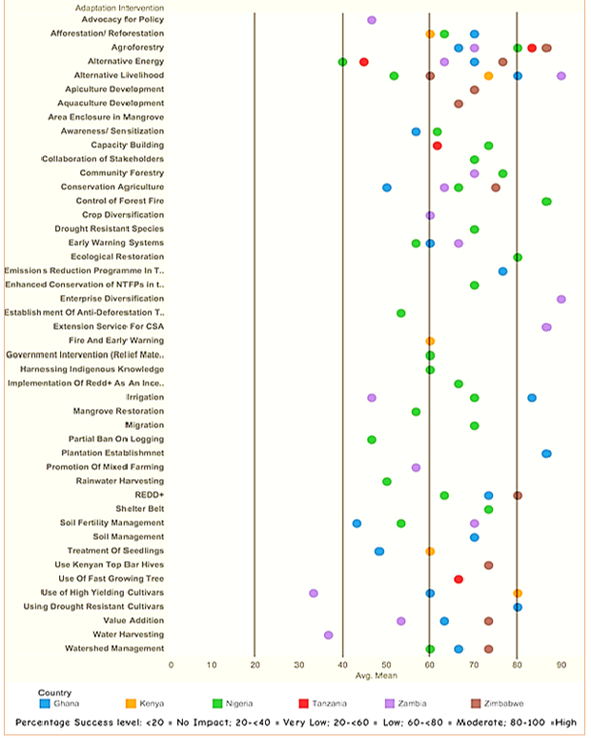
Figure 5: Adaptation intervention success levels on agriculture in Africa
3.6. Conditions for wider adoption of adaptation practices
Agriculture greatly affects the viability of human survival. Hence, significant advanced reasons are advanced for the wider adoption of the more successful adaptation intervention (Figure 6). The obvious being that most preference for climate change adaptation should be predicated on its applicability, wherein it is easy to adopt in terms of cost and technique (12%). Further conditions include community support and participation (8%), capacity of the intervention to directly address the needs of people (8%), a high level of sensitization and awareness (8%), among other more obvious results.
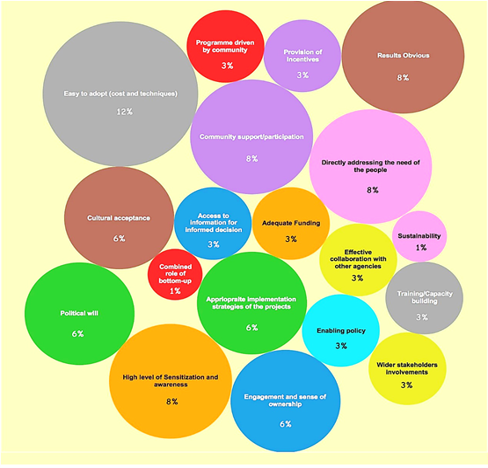
Figure 6: Determinants of wider adoption of adaptation practices
Fig. 6: Determinants of wider adoption of adaptation practices
4. Discussions
The alarming rate and impact of climate change on agriculture in Africa as evidenced by the continent’s climate unpredictability in rainfall and temperature [46] is evident. Several adaptation practices have been adopted by farmers and other resource users to cope with climate change. These include, but are not limited to, water resource management, irrigation techniques, drought-tolerant cultivars/breeds, early warning systems, and agroforestry systems. These interventions are largely planned, i.e., driven or implemented by public institutions (government agencies, NGOs, or development partners), or a blend of autonomous (driven by individual, household, or community resources and skills that rely on indigenous and local knowledge) and planned adaptation. This is in line with the assertion by IPCC [47] and Sumelius et al. [48] that adaptation in the context of climate change can be typified as anticipatory, reactive, autonomous, and planned. The most successful practices in different countries include agroforestry, alternative livelihoods, forest fire control, and ecological restoration, among others. Agroforestry, for instance, showed high success levels between 80-100%, particularly in Nigeria, Tanzania, and Zimbabwe. This is in sync with the findings of Verchot et al. (2007) that, while agroforestry may play a significant role in mitigating climate change in tropical subsistence agriculture, it also helps smallholder farmers adapt to climate change. As observed by Syampungani et al. (2010) and Kassam et al. (2012), agroforestry and other land management practices have strong potential to boost food production and reduce the effects of climate.
These practices can be made effective and widely adopted under certain conditions. These conditions involve making interventions easier to adopt in terms of cost and technique, fostering community support and participation. It is also vital to ensure that interventions directly address the needs of people for it to be successful. A high level of sensitization and awareness, together with proper implementation strategies, cultural acceptance, engagement, and a sense of project ownership and political will, will provide a solid basis for achieving these intervention adaptations. The absence of autonomous/endogenous adaptation mechanisms for flood control and flood prediction in the forestry sector in the National Adaptation Program of Action (NAPA) documents of all countries investigated testifies to the limited recognition accorded to indigenous knowledge systems by policy makers and practitioners on the continent. This is despite the abundant evidence of the value of these systems in providing effective coping mechanisms to flood-related problems for many communities in the coastlines and wetter regions of the continent. There is therefore a need to integrate the traditional and conventional systems of flood prediction and control in Africa’s forestry sector. It is also important to assign high priority to adaptation practices that are highly resilient to climate change with adaptation benefits [50]. Identifying these specific practices serves as a veritable roadmap for farmers and other resource users for broader adoption across the region.
5. Conclusion
African countries are highly vulnerable to ecological distortions that induce spates of droughts, flooding and crop failure as triggered by climate change. These impacts have resulted in severe social and economic insecurities, including loss of biodiversity, poverty, and food insecurity. The adaptation measures employed in the study regions are typified by planned, autonomous, or combined interventions. Practices geared towards sustainable land and forest management are the prominent adaptation action in Africa. However, these practices require a harmonious condition for their wider adoption. Given the huge existing potential value of the region in the midst of limited resource capacity, there is an urgent need to embrace practices that encourage planned adaptation interventions, collaboration, and synergies of public agencies for maximum impact. Indeed, numerous adaptation measures and interventions have been adopted by farmers and other resource users within different countries. However, climate-smart agriculture, agroforestry, sustainable land-use management for alternative sustainable livelihoods, and ecological restoration, among others, are adaptation practices across Africa. Up-scaling these adaptation interventions within contemporary technological frameworks to adequately stimulate extensive value for improved productivity is essential. A system must be in place to disseminate climate change and adaptation information at various levels. Moreover, building adaptive capacity through community efforts requires strong collaboration and political support from decision-makers, as well as an understanding of the depth of the impact to proffer solutions towards adaptation.
Supplementary Materials
NA
Author Contributions
Conceptualization, FB.; methodology, FB & AO.; data analysis, EB & JA.; writing—original draft preparation, FB, AO.; writing—review and editing, FB and JA. All authors have read and agreed to the published version of the manuscript.
Funding
This research received funding support from the African Forest Forum (AFF), Nairobi, Kenya.
Data Availability Statement
Available on request
Acknowledgments
The researchers wish to thank the African Forest Forum (AFF) in Nairobi, Kenya, for the sponsorship provided for this study. Heartfelt appreciation also goes to the stakeholders/key informants and other participants involved in the research. Their immeasurable cooperation and unwavering support, including their availability, were key to the realization of the research.
Conflicts of Interest
The authors declare no conflicts of interest.
References
- FAO. Adapting to Climate Change: The Ecosystem Approach to Fisheries and Aquaculture in the Near East and North Africa Region. Workshop Proceedings: FAO/Worldfish Workshop, Abbassa, Egypt, 2009.
- FAO. An Assessment of the Current Status of Land-Based Sectors in the Carbon Markets; FAO: Rome, Italy, 2010.
- FAO. Climate Change and Food Security: A Framework Document; FAO: Rome, Italy, 2008.
- FAO. Adaptation to Climate Change in Semi-Arid Environments: Experience and Lessons from Mozambique; FAO: Rome, Italy, 2012.
- Wang, W.; Mensah, I.A.; Atingabili, S.; Omari-Sasu, A.Y. Climate Change as a Game Changer: Rethinking Africa's Food Security-Health Outcome Nexus Through a Multi-Sectoral Lens. Sci. Rep. 2025, 15, 16824.
- Kumssa, A.; Jones, J.F. Climate Change and Human Security in Africa. Int. J. Sustain. Dev. World Ecol. 2010, 17, 453-461.
- Brown, O.; Crawford, A. Climate Change and Security in Africa: A Study for the Nordic-African Foreign Minister Meeting; IISD: Winnipeg, MB, Canada, 2009.
- Bilcha, K.D. In Africa, climate change wages war on bodies, not just lands. Scientific American, 2 December 2013.
- Eriksen, S.; O'Brien, K.; Rosentrater, L. Climate Change in East and Southern Africa: Impacts, Vulnerability and Adaptation; Global Environmental Change and Human Security (GECHS) Report 2008:2; University of Oslo: Oslo, Norway, 2008.
- Pramova, E.; Locatelli, B.; Djoudi, H.; Somorin, O.A. Forests and Trees for Social Adaptation to Climate Variability and Change. WIREs Clim. Change 2012, 3, 581-596.
- Abegunde, V.O.; Sibanda, M.; Obi, A. The Dynamics of Climate Change Adaptation in Sub-Saharan Africa: A Review of Climate-Smart Agriculture Among Small-Scale Farmers. Climate 2019, 7, 132.
- Stockholm Environment Institute. Climate Change and Adaptation in African Agriculture; Rockefeller Foundation, 2008.
- Smith, P.; Bustamante, M.; Ahammad, H.; Clark, H.; Dong, H.; Elsiddig, E.A.; Haberl, H.; Harper, R.; House, J.; Jafari, M.; et al. Agriculture, Forestry and Other Land Use (AFOLU). In Climate Change 2014: Mitigation of Climate Change. Contribution of Working Group III to the Fifth Assessment Report of the Intergovernmental Panel on Climate Change; Edenhofer, O., Pichs-Madruga, R., Sokona, Y., Farahani, E., Kadner, S., Seyboth, K., Adler, A., Baum, I., Brunner, S., Eickemeier, P., Kriemann, B., Savolainen, J., Schlomer, S., von Stechow, C., Zwickel, T., Minx, J.C., Eds.; Cambridge University Press: Cambridge, UK, 2014.
- Ukudo, B.A.; Bolarinwa, F.O.; Olasubomi, A.L. The Impact of Climate Change on Food Security in Selected African Countries. Glob. J. Econ. Financ. Res. 2024, 1, 92-103.
- FAO. Strategy on Climate Change 2022-2031; FAO: Rome, Italy, 2022.
- Abebaw, S.E. A Global Review of the Impacts of Climate Change and Variability on Agricultural Productivity and Farmers' Adaptation Strategies. Food Sci. Nutr. 2025, 13, e70260.
- Omokaro, O.G. Multi-Impacts of Climate Change and Mitigation Strategies in Nigeria: Agricultural Production and Food Security. Sci. One Health 2025, 4.
- Janowiak, M.K.; Butler, P.R.; Swanston, C.W.; Parker, L.R.; St. Pierre, M.J.; Brandt, L.A. Adaptation Workbook. In Forest Adaptation Resources: Climate Change Tools and Approaches for Land Managers; Janowiak, J., Swanston, C., Eds.; USDA Forest Service: Washington, DC, USA, 2012.
- Bisong, F.E. Participatory Land Use Planning for Community-Based Forest Management in South-Eastern Nigeria. LWATI J. Contemp. Res. 2007, 4.
- Deressa, T. Climate Change and Growth in Africa: Challenges and the Way Forward; Africa Growth Initiative, The Brookings Institution: Washington, DC, USA, 2014.
- Bola, G.; Mabiza, C.; Goldin, J.; Kujinga, K.; Nhapi, I.; Makurira, H.; Mashauri, D. Coping with Droughts and Floods: A Case Study of Kanyemba, Mbire District, Zimbabwe. Phys. Chem. Earth Parts A/B/C 2014, 67-69, 180-186, doi:10.1016/j.pce.2013.09.019.
- Bishaw, B.; Neufeldt, H.; Mowo, J.; Abdelkadir, A.; Muriuki, J.; Dalle, G.; Mbow, C. Farmers' Strategies for Adapting to and Mitigating Climate Variability and Change through Agroforestry in Ethiopia and Kenya, 2013.
- Kalame, F.B.; Aidoo, R.; Nkem, J.; Ajayie, O.C.; Kanninen, M.; Luukkanen, O.; Idinobae, M. Modified Taungya System in Ghana: A Win-Win Practice for Forestry and Adaptation to Climate Change? Environ. Sci. Policy 2011, 14, 519-530.
- Paavola, J. Livelihoods, Vulnerability and Adaptation to Climate Change in Morogoro, Tanzania. Environ. Sci. Policy 2008, 11, 642-654.
- Verchot, L.V.; Van Noordwijk, M.; Kandji, S.; Tomich, T.; Ong, C.; Albrecht, A.; et al.; Palm, C. Climate Change: Linking Adaptation and Mitigation through Agroforestry. Mitig. Adapt. Strateg. Glob. Change 2007, 12, 901-918.
- Mbow, C.; Smith, P.; Skole, D.; Duguma, L.; Bustamante, M. Achieving Mitigation and Adaptation to Climate Change Through Sustainable Agroforestry Practices in Africa. Curr. Opin. Environ. Sustain. 2014, 6, 8-14, doi:10.1016/j.cosust.2013.09.002.
- Kandji, S.T.; Verchot, L.V.; Mackensen, J.; Boye, A.; Van Noordwijk, M.; Tomich, T.P.; Palm, C. Opportunities for Linking Climate Change Adaptation and Mitigation through Agroforestry Systems. In World Agroforestry into the Future; Garrity, D., Okono, A., Grayson, M., Parrott, S., Eds.; World Agroforestry Centre: Nairobi, Kenya, 2006.
- Syampungani, S.; Chirwa, P.W.; Akinnifesi, F.K.; Ajayi, O.C. The Potential of Using Agroforestry as a Win-Win Solution to Climate Change Mitigation and Adaptation and Meeting Food Security Challenges in Southern Africa. Agric. J. 2010, 5, 80-88.
- Owoyemi et al. Full bibliographic details for this 2025 reference were not provided in the source manuscript.
- Ejiogu, A.O.; Ejiogu, B.C. Climate Change Compliant Microfinance Delivery in Nigeria. J. Account. Tax. 2010, 2, 46-50.
- Hassan, R.; Nhemachena, C. Determinants of African Farmers' Strategies for Adapting to Climate Change: Multinomial Choice Analysis. Afr. J. Agric. Resour. Econ. 2008, 2, 85-104.
- Adisa, B.O. Adapting Effective Environmental Extension Services for Propagating Climate Change Adaptation Strategies in Nigeria. In Proceedings of the 17th Annual National Conference of the Agricultural Extension Society of Nigeria (AESON); Madukwe, P.M.C., Ed.; AESON: Nigeria, 2012; pp. 89-97.
- Nwakwasi, R.N.; Matthews-Njoku, E.C.; Adesope, O.M.; Ifeanyi-Obi, C.C.; Njoku, P.C. Assessment of Rural Women's Awareness of Climate Change Adaptation Strategies in Aboh-Mbaise Local Government Area, Imo State. In Proceedings of the 17th Annual National Conference of the Agricultural Extension Society of Nigeria (AESON); Madukwe, P.M.C., Ed.; AESON: Nigeria, 2012; pp. 282-290.
- Yaro, M.A.; Bisong, F.E.; Okon, A.E. Growers' Adaptation Strategies for Alleviation of Climate Variability in Peri-Urban Agriculture for Food Security in Calabar, Nigeria. Br. J. Appl. Sci. Technol. 2016, 12, 1-14.
- Adejo, P.E.; Edoka, M.H.; Adejoh, S.O. Indigenous Practices and the Challenges of Climate Change Among Small-Scale Farmers in Dekina Local Government Area of Kogi State, Nigeria. In Proceedings of the 17th Annual National Conference of the Agricultural Extension Society of Nigeria (AESON); Madukwe, P.M.C., Ed.; AESON: Nigeria, 2012; pp. 73-80.
- Adesiji, G.; Obaniyi, K. Indigenous Knowledge in Climate Change Adaptation Strategies Among Farmers in Kwara State, Nigeria. In Proceedings of the 17th Annual National Conference of the Agricultural Extension Society of Nigeria (AESON); Madukwe, P.M.C., Ed.; AESON: Nigeria, 2012; pp. 81-88.
- Bryan et al. Full bibliographic details for this 2009 reference were not provided in the source manuscript.
- Bisong, F.E.; Andrew-Essien, E.; Animashaun, A.I.; Utang, P.B. Indigenous Agroforestry Initiatives for Protected Area Management: A Study of 'Support Zone' Villages of the Cross River National Park, Nigeria. Eur. J. Sci. Res. 2009, 25, 2.
- Fabiyi, O.; Olukoi, J. Indigenous Knowledge System and Local Adaptation Strategies to Flooding in Coastal Rural Communities of Nigeria. J. Indig. Soc. Dev. 2013, 2, 1-19.
- Adger, W.N. Social Capital, Collective Action, and Adaptation to Climate Change. Econ. Geogr. 2003, 79, 387-404.
- Adger, W.N.; Arnell, N.W.; Tompkins, E.L. Successful Adaptation to Climate Change Across Scales. Glob. Environ. Change 2005, 15, 77-86.
- Enete, A.; Madu, I.; Mojekwu, J.; Onyekuru, A.; Onwubuya, E.; Eze, F. Indigenous Agricultural Adaptation to Climate Change: Study of Southeast Nigeria; ATPS Research Paper No. 6; African Technology Policy Studies Network: Nairobi, Kenya, 2011.
- Onu, F.M.; Ikehi, M.E. Mitigation and Adaptation Strategies to the Effects of Climate Change on the Environment and Agriculture in Nigeria. IOSR J. Agric. Vet. Sci. 2016, 9, 26-29.
- Seo, S.N. Is an Integrated Farm More Resilient Against Climate Change? A Micro-Econometric Analysis of Portfolio Diversification in African Agriculture. Food Policy 2010, 35, 32-40.
- Eisenack, K.; Stecker, R. A Framework for Analyzing Climate Change Adaptations as Actions. Mitig. Adapt. Strateg. Glob. Change 2012, 17, 243-260, doi:10.1007/s11027-011-9323-9.
- Chichongue, O.J.; Karuku, G.N.; Mwala, A.K.; Onyango, C.M.; Magalhaes, A.M. Farmers' Risk Perceptions and Adaptation to Climate Change in Lichinga and Susundenga, Mozambique. Afr. J. Agric. Res. 2015, 10, 1938-1942.
- IPCC. Climate Change 2007: IPCC Fourth Assessment Report (AR4); IPCC: Geneva, Switzerland, 2007.
- Sumelius, J.; Beckman, S.; Ratter, R.; Kahiluoto, H. General Theoretical Framework of the SARD-Climate Project; Discussion Paper No. 30; University of Helsinki, Department of Economics and Management: Helsinki, Finland, 2009.
- Kassam, A.T.; Friedrich, R.; Derpsch, R.; Lahmar, R.; Mrabet, G.; Basch, E.J.; Gonzalez-Sanchez; Serraj, R. Conservation Agriculture in the Dry Mediterranean Climate. Field Crops Res. 2012, 132, 7-17.
- FAO. Food Security and Agricultural Mitigation in Developing Countries: Options for Capturing Synergies; FAO: Rome, Italy, 2009.
- Boko, M.; Niang, I.; Nyong, A.; Vogel, C.; Githeko, A.; Medany, M.; Osman-Elasha, B.; Tabo, R.; Yanda, P. Africa. In Climate Change 2007: Impacts, Adaptation and Vulnerability. Contribution of Working Group II to the Fourth Assessment Report of the Intergovernmental Panel on Climate Change; Parry, M.L., Canziani, O.F., Palutikof, J.P., Van der Linden, P.J., Hanson, C.E., Eds.; Cambridge University Press: Cambridge, UK, 2007.
- Cavane, E. Farmers' Attitude and Adoption of Improved Varieties and Chemical Fertilizers in Mozambique. Indian Res. J. Ext. Educ. 2011, 11, 1.
- Enete, A.A.; Achike, I.A. Urban Agriculture and Food Insecurity/Poverty in Nigeria: The Case of Ohafia, Southeast Nigeria. Outlook Agric. 2008, 37, 131-134.
- Havlik, P.; Valin, H.; Herrero, M.; Obersteiner, M.; Schmid, E.; Rufino, M.; Mosnier, A.; Thornton, P.; Bottcher, H.; Conant, R.; et al. Climate Change Mitigation through Livestock System Transitions. Proc. Natl. Acad. Sci. 2014, Livestock/Crop Integration, 10.
- Ofoegbu, C.; Chirwa, P.W.; Francis, J.; Babalola, F.D. Understanding Forest-Based Livelihood Practices as a Climate Change Mitigation and Adaptation Option in Vhembe District of South Africa. In Proceedings of the XIV World Forestry Congress, Durban, South Africa, 7-11 September 2015.
- World Bank. World Development Report 2010: Development and Climate Change; World Bank: Washington, DC, USA, 2010.
- Disclaimer/Publisher’s Note: The statements, opinions and data contained in all publications are solely those of the individual author(s) and contributor(s) and not of Dialogic Academic Presses (DAPresses), Dialogic Solutions Ltd and/or the editor(s). Dialogic Solutions Ltd and/or the editor(s) disclaim responsibility for any injury to people or property resulting from any ideas, methods, instructions or products referred to in the content.
How to cite this article
Cite this article
APA style shown. Use “Cite” for MLA, Chicago, IEEE, BibTeX and RIS formats.
Metrics
678
Article views
158
PDF downloads