
Bioinspired Teamwork and Leadership in Engineering Organisations Based on Japanese Bees and Queen Ants
1 ✉ 1
- 1Wolfson School of Mechanical, Electrical and Manufacturing Engineering, Loughborough University, Epinal Way, Loughborough LE11 3TU
https://doi.org/10.66845/dsj.2026.00005
Cite this article
Related Articles
Awareness and Perceptions of Bio-digester Toilet Technology in Port Harcourt’s Waterfront Settlements
Chibuzor Chika and Alete Favour Ndidi
Dialogic Society Journal · 2026
ArticlePsychological Adjustment in Patients Undergoing Neurosurgical Procedures: A Counselling Framework
Adegbenga A. Onabamiro, Jeremiah T. Okunlola and Olalekan R. Adebayo
Dialogic Society Journal · 2026
ArticleCircular Research and Teaching Model (CReTeaM) for Higher Education Pedagogy: A Reflective Practice
Chukwuma Ogbonnaya
Dialogic Society Journal · 2026
ArticleFrom Washington to Beijing: How Trump-Era Trade Policies and China’s Political Economy Shape Nigeria’s Development
Ifeanyi Jonah Onuoha, Christian Ezeibe and Jonah Onuoha
Dialogic Society Journal · 2026
Contents
Abstract
Teamwork and leadership are required whenever people work together to achieve complex engineering projects or operations. Consequently, teamwork and leadership will continue to be current themes for research in the foreseeable future of human civilisation. Here, we propose bio-inspired management approach to study how teamwork and leadership behaviours of animals might be relevant to engineering team configuration and functioning based on the attributes of Japanese bees and Queen ants. An online Questionnaire was designed to get responses of 155 engineers on the teamwork and leadership attributes of the subject animals in the light of theories and models for teamwork and leadership. The study focused on themes such as decentralisation, self-organisation, specialisation, followership and the impact of a leader's contributions, actions or inactions on the effectiveness of engineering teams. Interestingly, 81.9% of re-spondents indicated that adopting a flat organisation could improve productivity of engineering teams. 77.4% of the respondents indicated that one person contributing several vital team tasks can create high risk because it can reduce the resilience, adaptation and business continuity of engineering organisations. The findings from this study offer valuable insights on the strategies for advancing bio-inspired engineering management science as well as enriching teamwork and leadership beyond the field of engineering.
Keywords
Full text
Reading view1. Introduction
Biomimetics translate optimised features in nature into diverse sociotechnical designs, materials, mechanisms, functions, systems and behaviours of engineered systems (Vincent et al., 2006). By mimicking the structures, functions and behaviours found in nature, bio-inspired engineering facilitates innovative engineering solutions to complex engineering problems in the society (Tamborini, 2024). Applications of bio-inspired engineering include self-healing materials modelled after the biological healing processes; robotic designs resembling animals; and architectural designs modelled after plants or animals (Chaudhary et al., 2024; Ripley & Bhushan, 2016). Zhang et al., (2015) highted that bioinspired hexagonal shape honeycomb material design performed better than an ordinary composite material design. As the engineering field becomes very diverse and specialised, coupled with the applications of engineering in non-engineering fields such as healthcare, environment, service delivery, defence, agriculture, et cetera, multidisciplinary teamwork and leadership will continue to be critical success factors in developing sustainable sociotechnical systems.
As complexity of engineered systems evolve because new smart features are added, management of the interrelationships among all stakeholders will remain crucial for engineering projects to be completed and operated successfully. Moreso, since human society is complex and dynamic, there is a need to continuously update the teamwork and leadership models, frameworks and theories to match the dynamic environment. Unlike the applications of biomimetics in engineering designs, materials, built environment and safety, bioinspired engineering managements have not been studied extensively; and filling this gap motivated this research. Thus, our purpose is to propose biomimicry of behaviours in management to advance leadership and management principles and practices.
Understandably, many human beings would find it demeaning to contemplate that human beings should learn from the behaviours of lower animals in their colony in organising human behaviours in social organisations. Nonetheless, different cultures and religious books teach wisdom and deep understanding using plants, animals and nature. For instance, Proverbs 6:6 – 8 stated thus: Go to the ant, you sluggard; consider its ways and be wise! It has no commander, no overseer or ruler, yet it stores its provisions in summer and gathers its food at harvest. We acknowledge human ego but still argue that human ego should not interfere with scientific process of examining nature objectively with the purpose of exploring the management dimensions of biomimetics using animal colonies so that the social science dimension can progress like the applications of biomimetics in science, technology, engineering and mathematics (STEM). Sustainability assessment has been inspired by biological concepts (Möller et al., 2024) and we argue that there are more lessons that can be learned on the management dimensions of biomimetics in addition to the current STEM-bias application of biomimetics, biomimicry or biorobotics.
Engineering teams may take different structures, and leaders may adopt different leadership styles. For instance, Agile teams break down engineering projects into smaller tasks to lower project risks, enhance teamwork and communication (Fernandez & Fernandez, 2008). Ogbonnaya (2023) proposed that lean and agile principles apply in service design and delivery as well as manufacturing of products. Lean-Six Sigma teams focus on improving the productivity and efficiency of the team by streamlining the entire operations, value chain and supply chains to achieve the performance objectives such as quality, cost reduction, speed of delivery, dependability, flexibility, safety, sustainability whilst reducing wastes and defects (Ballard & Tommelein, 2012).
Every engineering firm needs leadership to provide vision for the organisation and managers to guide teams to realise the vision through day-to-day operations. To explain how leadership can be provided in diverse organisation, leadership theories such as trait theory, transformational leadership and servant leadership have been advanced by some scholars. Trait theory posits that influential leaders have a specific set of traits that they were born with (Verawati & Hartono, 2020). Such traits may include high intellectual capacity, self-assurance and charisma which are genetically imprinted in leaders at time of birth. Transformational leaders encourage their followers to reach their maximum potential through charismatic rendition of a vision of the future worth working together to achieve (Bass & Riggio, 2006). Rather than assuming that some are born to lead, transformational leaders transform the leadership environment for leadership to be learned. (Russell, 2001) observed that servant leadership strategy put the needs of the followers ahead theirs, and they do not hesitate to sacrifice personal interest for general interest.
In this study, teamwork and leadership behaviours of the Japanese bees and the queen ants were studied to ascertain how relevant their behaviours are to engineering teams. Japanese bees and Queen ants live in colonies and therefore work in social teams which require leadership. They utilise a decentralised decision-making process that involves individual perception and swift reaction to threats from hornets. Similarly, engineering organisations require team members to create value in form of products or services to remain sustainable and profitable. Japanese bees strive to preserve its colony just as engineering firms strive against all internal and external risks and uncertainties to continue to create value for the stakeholders. Queen ant exhibits servant leadership skills, but it uses pheromones and chemical messages to guide and regulate the behaviours and outcomes in a colony. The motivation of this study is to study the teamwork behaviours of Japanese bees and leadership behaviours of Queen ant so that insights can be drawn from how they influence their colonies in terms of leadership, communication, collaboration, cooperation, influence and decision-making mechanisms for the benefit of engineering teams and organisations.
To systematically use secondary and primary data to investigate the extent to which the behaviours of Japanese bee and Queen ant can be interpreted using human Teamwork and Leadership theories and models, the following research questions were formulated:
- Are there teamwork attributes of Japanese Bees that are similar to teamwork attributes of human beings?
- Are there leadership attributes of Queen Ants that are similar to leadership attributes of human beings?
- Can human participants from engineering background identify the relevance of teamwork and leadership attributes of Japanese bees and Queen ants to engineering organisations?
- Are there lessons learned from the teamwork and leadership of Japanese bees and Queen ants that can be applied in engineering organisations?
The overall aim of this research was to advance biomimetics in engineering management science which may sound counterintuitive that human beings would have anything of significance to learn from lower animals such as ants and bees. Advancements in the field of biomimetics indicate that human beings can learn from the morphology, design, colouration, function, behaviours of plants and animals. Realising the overarching aim of this research will advance research and practices around bio-inspired management science. To pursue the research aim and address the research questions in a systematic manner, the following specific research objectives were formulated:
- Study the teamwork attributes of Japanese Bees based on secondary research data.
- Study the leadership attributes of Queen Ants based on secondary research data.
- Collect primary data from engineers using Questionnaire on the relevance of the teamwork attributes of Japanese bees and the leadership attributes of Queen ants to engineering organisations.
- Critically discuss linkages of bio-inspired behaviours of Japanese bees and Queen ants for deeper insights into strategies for teamwork and leadership in engineering organisations.
To the best of our knowledge, this is the first study that used bio-inspired engineering management approach to study teamwork and leadership based on the teamwork attributes of Japanese bees and the leadership attributes of a Queen ant. Therefore, the paper contributes novel perspectives on the application of biomimetics in management science. The results in this study offer insights on how bio-inspired principles can inform and enhance teamwork and leadership of engineering teams and beyond. The next section presents an in-depth literature review on teamwork, leadership and attributes of Japanese bees and Queen ant. Next is the research methodology including method of data collection and analysis; followed by a presentation of results and discussion, and lastly by conclusions and further areas of research.
1 Literature Review
2.1 Japanese Bees
The Japanese honeybees (Apis cerana japonica) are rare species of bees that have a capacity to defend itself against predatory hornets (Abrol, 2006). They are subspecies of the Southeast Asian-wide Eastern honeybees, Apis cerana. They are social insects (like human beings) and they live in organised colonies including a queen, drones, and worker bees (Mortensen et al., 2015). Japanese bees are less effective at gathering pollen because of the shorter hairs on their body but they have an advanced communication system for coordinating their social behaviour. Nguyen et al., (2023) observed that honeybees communicate using pheromones, which are chemical signals generated by bees and sensed by receptors on other bees' antennae. The worker bee emits alarm pheromone when a threat is detected. The alarm pheromone comprises many distinct chemical substances, including 2-heptanone and isopentyl acetate, which other bees can detect in meagre amounts so that they can collaborate to defend the hive (Wang & Tan, 2019). Besides the alarm pheromone, other types of pheromones can be released to share information about food supplies, nesting locations, and the whereabouts of other bees. After discovering a new food source, scouts will return to the hive and engage in a complicated set of motions known as the "waggle dance," which signals to other bees the location of the food supply (Biesmeijer & Seeley, 2005). It can be seen that there is high level of complexities is the seemingly simple affairs of the ant colony.
To maintain the social structure, Queen bee creates a pheromone called "queen substance" that prevents worker bees from developing ovaries in order to preserve the colony's social structure (Karlson & Butenandt, 1959). Retinue pheromones are utilised to draw other bees to the queen and control their behaviour (Keeling et al., 2003). Furthermore, the bees have well-coordinated defensive system called "thermo-balling" against hornets. Japanese bees roasting a hornet as a swarm of worker bees will form around a hornet as it approaches a Japanese honeybee colony, and they will start vibrating. Due to the vibrations, heat is produced, raising the temperature to lethal level where the hornet is killed, but the bees can tolerate the thermal energy (McDermott, 2022). Whereas the hornet will die at 44°C (111°F), the bees can withstand temperatures as high as 46°C (115°F) (Papachristoforou et al., 2007).
Human beings certainly have the ability to think in systems and in a systematic way as they solve complex problems (Ogbonnaya, 2024). Here, instinctively, bees appeared to have developed a procedure for thermo-balling based in intuitive application of thermodynamics and heat transfer. The procedure of thermo-balling by bees can be categorised into luring, engulfment and thermal death (Cappa et al., 2021). The pattern and repeatability of this procedure suggests that ants have some level of intelligence. The worker bees vibrate during the thermal death phase to increases the temperature around the hornet. The bees in the swarm's core vibrate the most, thereby producing the most heat due to generating the highest level of entropy. In contrast, the bees on the swarm's periphery vibrate less and produce less heat, resulting in a temperature gradient. This thermal gradient helps to ensure that the bees closest to the hornet can tolerate the high temperature due to heat transfer that is driven by the temperature gradient while the hornet trapped at the core cannot (Stabentheiner et al., 2007). Habitat destruction through climate change and reduction in food supplies threatens the survival of Japanese honeybee. A mismatch between blooming plants availability and the bee's life cycle can be triggered by the changing climate (Le Conte & Navajas, 2008). Habitat loss due to urbanisation, agriculture or deforestation can make honeybees more susceptible to predators and parasites by impairing their immune systems and causing starvation (Huryn, 1997; Le Conte & Navajas, 2008). To successfully link the context of human organisations and the contexts of ant colonies, it is important to consider them as archetypes. For instances, risk of extinction of ant colony is equivalent to risk of liquidation of an engineering company. Habitat loss for ants is equivalent to business environment loss.
2.2 The Queen Ant
Ants are categorised into three distinct castes: reproductive females (queens), reproductive males (males), and non-reproductive females (workers). Ant colonies cannot survive without their Queen ants because they are responsible for reproducing the eggs necessary for expansion of the population and survival of the colony (Thomas & Wardlaw, 1990). Ants exhibit a highly efficient system of colony organisation wherein individual ants are born into specific castes based on their predetermined roles. Due to their remarkable reproductive powers and significant influence on the behaviour and structure of ant colonies, queen ants have been at the centre of numerous research (Vienne et al., 1998). Like most social insects, queen ants participate in mating during nuptial flights by attracting suitable mates from different colonies to create a new colony (Howard & Kennedy, 2007). Colonies exhibiting more queen mating may possess greater fitness due to genetic variation among workers (WIERNASZ et al., 2008). Okamoto et al., (2015) discovered that Queen ants can lay thousands of eggs daily and reproduce sexually and asexually. This ability is crucial to the expansion and development of the ant colony because it allows the queen ants to manipulate the brood needed for the colony's future (Leniaud et al., 2012). Flights result in a lack of inbreeding in the colony since queen ants will mate with several males during these trips (Jaffé et al., 2009). Freitak et al., (2014) observed that the inbreeding within ant colonies interrupts the colony's ability to regulate its immune defence system and results in other physiological trade-offs.
Queen ants use different techniques to communicate with the workers, including vibrations, pheromones and tactile messages (Barbero et al., 2009; Leonhardt et al., 2016). Without communication, ants struggle to locate food supplies or alert the colony of potential threats, which ultimately result in the colony's extinction. Decision-making is another essential trait of the Queen ant for discharging its leadership responsibilities. The allocation of resources, colony expansion and reproductive success are all factors queen ants consider when making inclusive decisions (Cronin, 2012). As examples, Queen ants decide where and when to deposit their eggs, how many to lay and which ant to assign to various jobs such as foraging or nest-building, thereby exhibiting division of labour (Holman, 2018). The sustainability of the colony depends on these complex choices that the Queen ant must make. For instance, the queen's pheromones regulates workers foraging, how offspring are cared for, the type and amount of chemicals secreted and the distribution of resources throughout the colony (Manfredini et al., 2014). The Queen ant also produces pheromones that communicate information about the colony's reproductive state, nest location and resource accessibility (Vander Meer et al., 2019). Substances secreted by the Queen ant impacts the brood's (larvae or pupae) development and growth. Royal jelly, a nutrient-rich secretion that feeds the brood destined to become queens, significantly influence their growth and development (Cherniack, 2010). This can be likened to different development programmes and training offered to different staff cadre in an organisation. Queen ants also make substances that support the colony's general health and survival by assisting in its collective defense against viruses and parasites (Keiser et al., 2018). The size of a Queen ant is important to establish her dominance in the colony, but it predisposes it to aggressive conduct towards other queens, leading to the demise of rival queens and the emergence of a single dominant queen (Rissing & Pollock, 1987). However, this depends on whether the colony is a monogyny or polygyny; although colonies hosting multiple queens display higher levels of cooperation, structure and adaptation. The physical size of the Queen ant has a notable influence on the social structure and organisation of the colony. This leads to the larger ants being assigned the responsibility of ensuring the effectiveness of the colonies, as reported in MEUNIER & CHAPUISAT (2009). This aspect of the Queen ant can be linked to leaders having outstanding qualities in terms of skills and experience, which should not be a leverage to descend into tyrannical or authoritarian leadership style which may not inspire care, collaboration and co-creativity.
Cooperation with related and unrelated ant colonies contribute to insect control, nitrogen cycling, soil structure and fertility (Ostwald et al., 2021). Sankovitz et al., (2019) refer to ants as "ecosystem engineers" because of the substantial influence its colonies have on the environment. Engineering organisations, particularly those in environmental engineering, impacts the environment in similar manner ants impacts their environment in a smaller scale. Lastly, the size and age of the Queen ant may significantly affect how the colony develops, with larger and older queens producing territories that are well-organized (MEUNIER & CHAPUISAT, 2009). The survival and growth benefits are essential as they persist beyond the founding period. This is particularly advantageous during a stage in the colony's life and promotes the selection of stable cooperative behaviour over temporary behaviour (Ostwald et al., 2021).
There have been outstanding CEOs, engineering entrepreneurs and Chairmen of engineering companies such as Thomas Edison, Henry Ford, Kiichiro Toyoda, Jach Welch, Steve Jobs, Elon Musk, Innocent Chukwuma, Aliko Dangote, to name a few. The visions, leadership style and management approaches of these managers contributed to the growth and sustainability of their organisation. Some of these leaders of engineering organisation created procedures, business models or physical infrastructures that have contributed to problem-solving in diverse sectors of the economy. This research grapples with a reflection of what human beings might learn from critical analysis of the behaviours of Queen ant to improve human leadership and inspire followership. For instance, there is a growing need for engineering organisations in the manufacturing sector to care about environmental sustainability, leadership, teamwork and a collaborative relationship with supply chain partners as exemplified by Toyota in the Toyota Production System. Lessons from bio-inspired engineering management was intended to enable engineers to mimic teamwork approaches of Japanese bees and leadership style of Queen ant in leading and managing complex operations, particularly engineering organisations. Bioinspired management science is also important for human beings not to mimic the behaviours of lower animals, which are considered suboptimal in building teamwork and facilitating excellent leadership.
2.3 Teamwork Models and Leadership Styles
Teamwork in modern organisations provides a pragmatic approach to accomplish tasks, attain goals and address business challenges (Karppi et al., 2024). Team members' ability to collaborate towards a common objective determines the success of a business in today's fast-paced and dynamic business environment. Businesses create effective and dynamic teams by configuring their team based on some teamwork models and theories. Combining expertise, skills, and experience from working together can lead to enhanced capability, creativity, better judgement and increased efficiency. Some teamwork models such as Tuckman's stages of group development, Belbin's team roles and lean-agile teams were considered in this study.
2.4 Tuckman's Stages of Group Development of Teams
In 1965, Bruce Tuckman proposed that teams undergo five phases as they grow and develop (Tuckman, 1965). The model remains a valuable model for modelling team life cycle. Although Tuckman (1965) proposed five phases, not all teams pass through all the phases in a linear fashion (Cresswell-Yeager, 2021). The first phase is the forming phase in which team members get to know one another whilst they endeavour to define their positions within the team and decide their collective aims and objectives. The second phase is the storming phase in which conflicts and disputes develop among the team members because individuals are beginning to share their opinions to establish their influence and authority. The third phase is the norming phase in which team dynamics begin to develop norms and standards for conduct, thereby fostering better understanding of individual differences, feeling of trust, togetherness, cooperation and collaboration. The fourth phase is the performing phase in which the team is performance at full capacity and accomplishing its objectives. The fifth phase is the adjourning phase in which the team is dissolved because the lifespan has elapsed, or the objective of the team has been realised. For teams that performed well, they would wish that the team continue but for a team marred with irreconcilable differences and persistent conflicts, the adjourning phase is a huge relieve for members. It is observed, from the effective communication and organisation, that there is a high level of trusts in both bees and ants colonies. Tuckman's model provides insights into how high trust is developed in teams under social setting.
2.5 Belbin's Team Roles
Because the bees and ants are organised as a colony with division of labour, Meredith Belbin's Team Roles explains that team members might fill nine team roles, each with unique strengths and allowable weaknesses (Belbin & Brown, 2022). This model helps to explain why some people may be inclined to prefer certain roles and not others and the possible expectations from the team members. Here, the strengths of the team roles are highlighted.
- Plant: frequently exhibit creativity, originality and willingness to investigate novel concepts.
- Monitor Evaluator: exhibit critical, analytical, strategic thinking and systematic decision-making skills.
- Resource Investigator: sociable and has a strong network and offer the team fresh perspectives and chances.
- Coordinator: skilled leader who can bring the talents of various team members together and promote productive teamwork through assigning tasks, establishing priorities and ensuring everyone pursues the same vision.
- Shaper: proactive, assertive and goal-oriented team member who pushes the group to accomplish its objectives.
- Team worker: cooperative, listening, conciliatory and diplomatic team member who contributes to the team's harmony and coherence.
- Implementer: trustworthy, detail-oriented, efficient and practical team member who can put ideas into practice.
- Completer Finisher: diligent, detail-oriented team member who ensures that work is done to a high quality.
- Specialist: subject-matter expert who contributes distinct knowledge and abilities to the team.
By collaborating and leveraging diverse skills, engineering teams can be more productive by allocating tasks that align with each team member's strengths whilst they improve upon allowable weaknesses (Partington & Harris, 1999). In the ant and bee colonies under study, different categories of insects have different features that enable them to contribute as team members within their colonies.
2.6 Lean-Agile Teamwork
Agile teamwork is very useful in software engineering (Chow & Cao, 2008) because it promotes efficient value creation and higher customer satisfaction (Ogbonnaya, 2023; Whitworth & Biddle, 2007), increases production, improves flexibility and adaptability (Duguay et al., 1997). Agile teamwork facilitates iterative and incremental development (Larman & Basili, 2003); whereas continuous improvement, flexibility, cooperation and communication are the guiding concepts of agile teamwork (Whitworth & Biddle, 2007). Agile strategies have been linked to enhanced relationships, trust and efficient problem-solving processes (McHugh et al., 2011).
On the other hand, inaccuracies in planning and challenges with decision-making are downsides of agile methodology, particularly in predicting project durations and prices due to dependencies in subsystems (Moe et al., 2012). These require agile teams to have high levels of collaboration and speedy communication (Green et al., 2010). Moreover, flexibility and adaptability could cause a risk of scope creep in agile teams (Albadarneh et al., 2015). Despite its drawbacks of agile methodology, different contemporary organisations use it to manage projects because it promotes adaptability, speedy delivery of projects and innovation (Whitworth & Biddle, 2007). Functional products can be produced in a shorter time through focussed iterations and continuous improvements in agile manufacturing, which boosts productivity and lowers waste (Larman & Basili, 2003).
Adam Smith, in "The Wealth of Nations", used the manufacturing of pins to propose specialisation to boost efficiency, productivity and save cost (Smith, 1937). This implies that dividing a complex project into more manageable size, specialised tasks may boost effectiveness and production. Whereas agile methodology promotes flexibility, lean methodology promotes efficiency, and the two approaches are better combined as a lean-agile methodology (Ogbonnaya, 2023). Team members can achieve high expertise, do their work more efficiently, faster, cheaper, better quality and precisely by concentrating on a specific task. Team members can work on activities that align with their interests and strengths, which could boost performance and organisational success in the long run. While division of labour may be advantageous, possible disadvantages need to be considered. For instance, specialisation in a non-hierarchical teams needs to be managed effectively so that it does not reduce a team's capacity to exhibit flexibility, adaptability, resilience and creativity (Meier et al., 2019). Division of labour, which exists in the insect colonies, can be seen in construction projects, sports or medical treatment of a complicated case (Carmel & Baker-McClearn, 2012; Clarke & Wall, 2000).
2.7 Servant and Transformational Leadership Theories
Achieving corporate mission and vision, inspiring workers and fostering a healthy work environment may depend on effective leadership practices. Yet, leadership has no one-size-fits-all strategy. Leadership models have been proposed to provide a framework for studying leadership competencies and attributes of different leadership styles in projects (Liu et al., 2024). Leadership styles and types have been described with words such as democratic, autocratic, servant, situational, ethical, transformational leadership and so on. The relevant leadership styles and types, based on the behaviours of the queen ant, will be explored in this research.
Servant leaders regard and respect their followers' opinions, which foster a sense of mutual respect and trust (Liden et al., 2015). Leaders who demonstrate empathy are better at improving organisational climates and promoting employee contentment and well-being. Servant leaders are more likely to encourage moral conduct among their followers and foster an environment of trust and responsibility. Ethical leadership exhibited by servant leaders improves corporate citizenship behaviour, retention and employee job satisfaction (Brown & Treviño, 2006). Servant leaders foster a feeling of community inside their organisations, which encourages cooperation, collaboration, collegiality and teamwork which in turn promotes performance, employee engagement and job satisfaction. Servant leaders prioritise developing connections with their followers to provide a supportive work whilst nudging an atmosphere of candid dialogue and helpful criticism.
The downside of servant leadership is that followers may abuse the leader's selflessness which can be misconstrued as weakness instead of meekness. Servant leaders should establish expectations and limits (Brown & Treviño, 2006) so that they do not ignore self-care which may result in their burnout and decreased effectiveness and performance (Walumbwa et al., 2011). Sendjaya et al. (2008) suggested that servant leaders often need to act quickly or demonstrate their authority. Because trust, respect and empathy are intangible qualities of a servant leader, measuring the success of servant leadership is difficult. Van Dierendonck et al., (2014) recommended that future studies concentrate on creating trustworthy and meaningful measurements of servant leadership. In this study, the servant leadership attributes of the Queen ant will be under focus to see how engineering leaders inclined to servant leadership style could improve their leadership efficacy.
Transformational leadership focuses on inspiring and motivating followers to achieve their full potential. They lead their followers to take risks, think creatively and innovate to enhance the performance of their organisation. Transformational leaders have charismatic personalities which enables them to enthuse, encourage, persuade their followers whilst fostering an engaging organisational culture (Spears & Lawrence, 2002). Transformational leaders have strong power of compelling vision, and they communicate it in a manner that inspires and encourages followers to strive towards realising it. Research suggests that leaders with a clear vision are better at inspiring a feeling of direction and purpose inside their organisations, which improves performance and results (Dennis & Bocarnea, 2005).
Transformational leaders promote growth and development of team members whilst emphasising a better well-being for them. This explains why transformational leadership enhances organisational commitment, performance and employee job satisfaction (Avolio et al., 2009). Goleman (1998) asserts that a transformational leader must have good emotional intelligence to comprehend and control their emotions and those of their followers to establish a productive workplace that encourages cooperation, mutual supports, trust and open communication. The downsides of transformational leadership style are that transformational leaders and their followers must put up much work and dedication to collaborate to make it work because it may involve a significant cultural shift, which can be challenging. Transformational leaders who put their interests above those of their followers can foster a toxic work climate that decreases job satisfaction and increases attrition (Eisenbeiss et al., 2008).
2 Research Methodology
The overall research strategy and research design is summarised in Figure 1. The methodology described in this study can be applied by other researchers to investigate other animals and other management themes exhibited by plants or animals. First, the hypothesis was that it is plausible that biomimetics can be applied to management science considering its valuable applications that were already recorded in Science, Technology, Engineering and Mathematics, as presented in Section 1. By exploring bioinspired teamwork and leadership, biomimetics is intended to be applied in behavioural science which is more indeterministic compared to pure science and engineering. Thus, the study explores bioinspired behaviours within the field of engineering which requires teamwork and leadership skills.
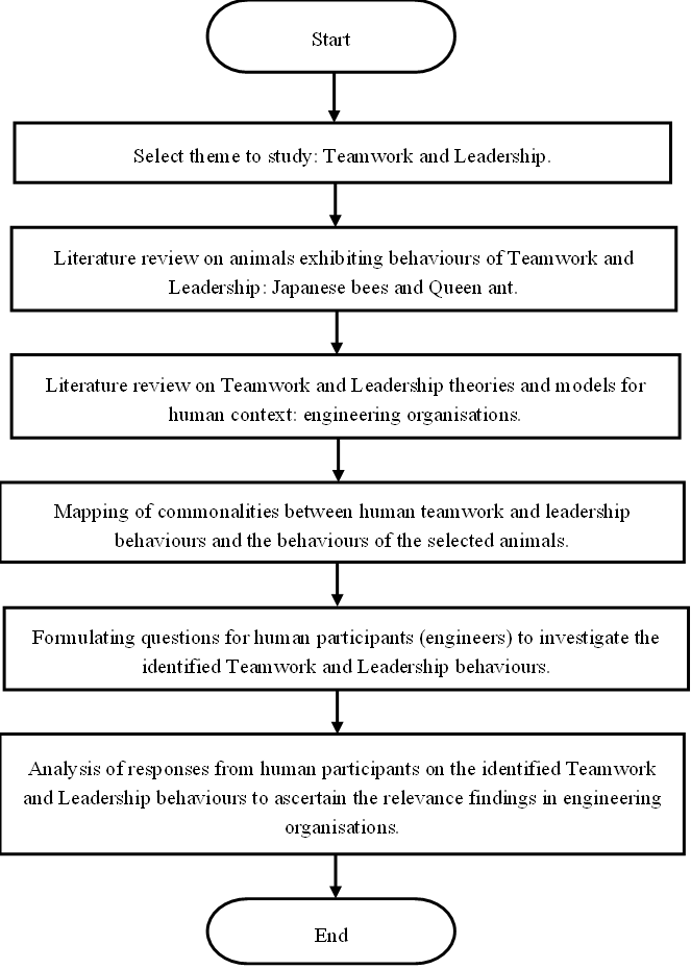
Two themes, Teamwork and Leadership, which are social behaviours required to develop engineering practice competencies were selected to be studied. Big infrastructure projects such as airport, seaport, shopping complex, stadium, power station, large farm of renewable energy technologies, etc require more than one branch of engineering and other social science and management science disciplines to realise. Regardless of the complexity of a sociotechnical project, teamwork and leadership are required to realise the benefits of the project.
With Teamwork and Leadership at the centre, literature review was conducted to identify teamwork and leadership characteristics and behaviours in different animals. This method was used because there was no need to reinvent the wheel to conduct primary research about the Queen ants and Japanese bees where quality pieces of literature are available in form of secondary data. The focus was to synthesize the knowledge that were relevant to teamwork and leadership behaviours. Japanese bees were selected because of their unique characteristics for teamwork and Queen ant was selected for its unique leadership approach in any ant colony. Before Queen ant and Japanese bees were selected, other animals considered were lions, eagles, wolves, dolphins and other animals that exhibit any form of teamwork or leadership skills.
Similarly, literature review was conducted on human teamwork and leadership theories and models that closely relates to the behaviours identified in the animals. Teamwork and leadership theories and models were used to map characteristics and behaviours of animals with characteristics and behaviours of human beings in an organisational setting. An online Questionnaire was designed based on the characteristics of the animals in view of the subsisting human teamwork and leadership theories and models. Data collected from engineers using the instrument were analysed and discussed within the context of the literature review and research objectives. The utility of the teamwork and leadership dispositions of the animals in the context of leading and managing engineering organisations were critically inferred. The questions and statements posed to the respondents were contextually framed; and the respondents were expected to unambiguously select what they think is the most appropriate to enable the data to be analysed using descriptive statistics. There was no need to complicate the statistical analysis because the use of the Questionnaire instrument was to get the engineers to affirm or reject that the identified teamwork and leadership behaviours in the animals as reported in literature were relevant in the human context, particularly in engineering practice.
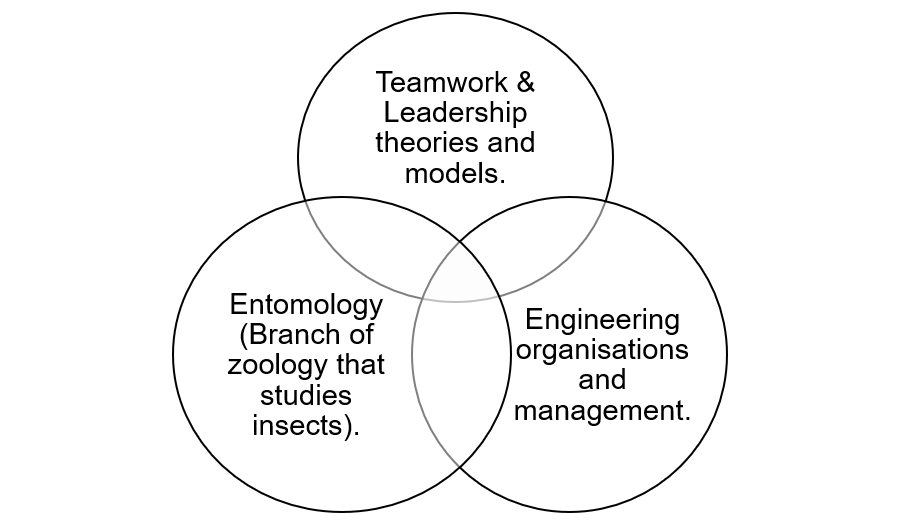
The statistical assumption was that 51% responses represents a tilt towards the balance of probability in favour of a particular preference; and therefore, the option should be considered. Conceptually, Figure 2 shows that the study is situated at the intersection between teamwork and leadership theories and models, entomology and engineering organisations and management.
Since there is no existing methodology for bioinspired management science, the research instrument was designed as simple as possible using descriptive statistics, which is sufficient to predict preferences of the respondents. The instrument was validated by two experts, with PhD degree, in engineering management and their feedback were incorporated in revising the instrument. The target population were engineers in research, academics, industry regardless of the nature of the engineering organisation they work in. The Questionnaire clearly stated in the introduction section that the target population were engineers only, and the first question require respondents to confirm that they are from an engineering background.
The Questionnaire was deployed on LinkedIn, a professional networking platform, to collect quantitative data from engineers from diverse sector of the economy. A total of 155 engineers in Europe responded to ensure similar cultural background were asked to respond to the questions. Data collection lasted from February to April 2023 using a Google Form. The form was reposted biweekly from 1st February until 30th April 2023. No incentives were used to encourage respondents to complete the survey and participation was completely voluntary. No personal information was requested from the participants. The anonymity and confidentiality of the participants were ensured throughout the study to protect their privacy. The study was conducted in accordance with the ethical guidelines set forth by the Wolfson School of Mechanical, Electrical and Manufacturing Engineering, Loughborough University, United Kingdom. Participants were informed about the purpose of research and were provided with the option to withdraw from the study at any time without prejudice. All data collected were stored securely and the descriptive statistics and the contextual questions posed were presented in the next section.
3 4. Results
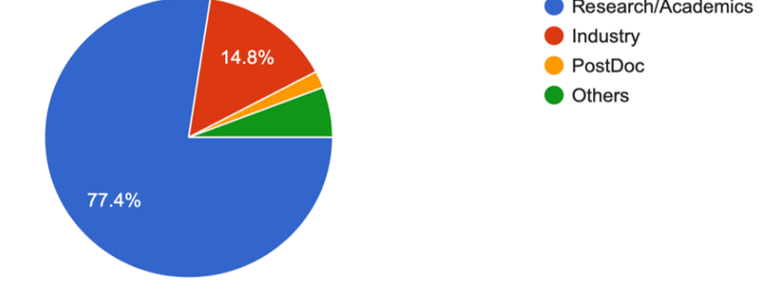
The benefit of using Google form is that it has the capability to present data in pie chart or bar chart, which reduces efforts in postprocessing of data after data collection. From Figure 3, most respondents, 77.4%, placed themselves in research or academics, while 14.8% worked in the industry. A small proportion of 1.9% was pursuing their postdoctoral degree, and 5.8% were in other engineering sectors. This was not surprising because LinkedIn on which the instrument was deployed host significant number of professionals who desire visibility and networking.
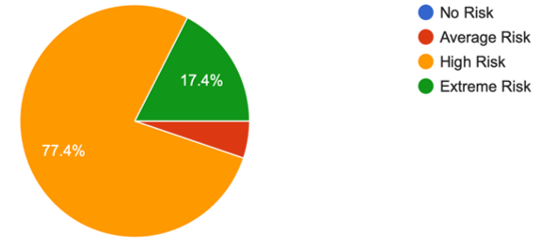
The first question refers to the potential risks and uncertainties associated with relying on only one staff member to perform multiple crucial roles within an engineering establishment. This was inspired by the critical roles Queen ant plays alone in the ant colony. The findings presented in Figure 4 indicate that a significant proportion (77.4%) of the participants perceived the risk to be high, followed by 17.4% that considered the risk to be extremely high. Only a minority (5.2%) responded that relying on only one staff member to perform multiple crucial roles has an average risk. Because nobody chose "No Risk", it can be concluded that the risk level in relying on only one staff member to perform multiple crucial roles in an engineering organisation is skewed towards "high risk". This question is relevant in engineering firm because the time it takes to train an engineer and expose them to gain experience is long. Thus, this result shows that there should be continuity planning for engineering skills as well as leadership positions.
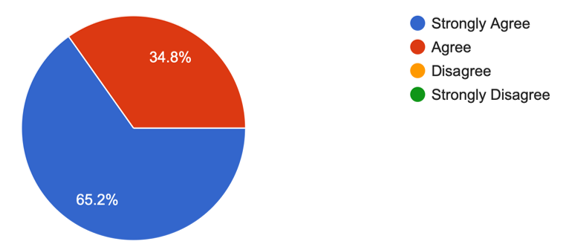
The second question relates to the effectiveness of decentralisation and self-organisation within engineering organisations, drawing a comparison to the self-organisation working strategy of Japanese bees. According to the survey data presented in Figure 5, most of the participants (65.2%) expressed strong agreement while 34.8% expressed agreement with the notion that adopting an efficient communication approach, akin to the effective communication of Japanese bees, can enhance workforce efficiency and improve financial gains for business organisations. Nobody disagreed, let alone disagreeing strongly on the importance of effective communication in an engineering organisation. In the field of engineering, communication is more than talking. Communication could be done using engineering drawings, written and oral technical reports, scheduling of tasks, meetings and trainings. Therefore, for efficient functioning of any engineering team, effective communication remains crucial.
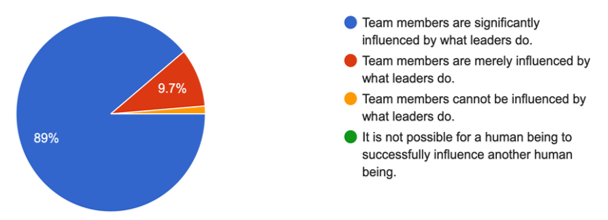
The third question relates to the impact of a leader's contributions, actions and inactions on the performance and followership within engineering teams, with reference to the transformational leadership approach demonstrated by the Queen ant. From the literature, the Queen ant does not just enjoy privileges, there are sacrifices it must make. From Figure 6, most participants (89%) agreed that what leaders do could have significant effects on the members, while 9.7% indicated that what leaders do has moderate influence on team members. A negligible percentage (1.3%) believed that a leader could not influence another team member. These results highlight the importance of setting good examples and leading as a role model.
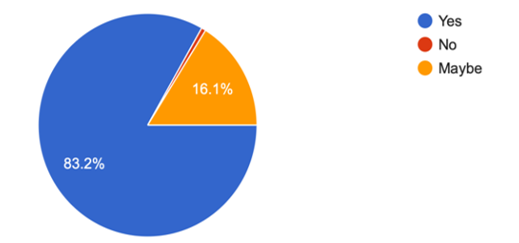
The next question was linked to the effectiveness and output of engineering organisations via specialisation while drawing a parallel to the division of labour observed in ant colonies. Based on Figure 7, 83.2% agreed that specialisation increases efficiency and productivity in engineering organisations, while 16.1% were unsure that specialisation increases efficiency and productivity in engineering organisations. However, 0.7% of the 155 engineers believed that specialisation does not increase efficiency and productivity in engineering organisations. The engineering field is quite diverse and specialised. For instance, to manufacture and operate a car, there is need for materials, metallurgical, electrical and electronic, mechanical, design, computer, polymer, chemical, engineering management, manufacturing, and other branches of engineering that will work together in the value chain of producing and operating a car.
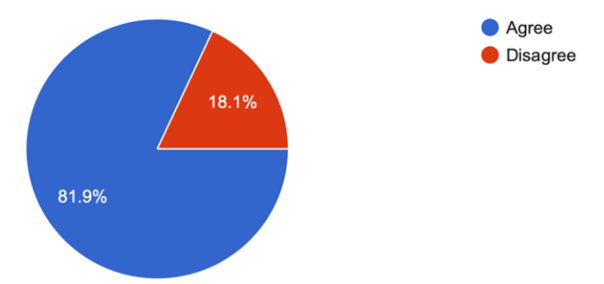
The final question posed to the respondents was related to the efficiency of flat organisational structures, with reference to Japanese bees' non-hierarchical structure of organisation. The alternative to flat organisations is hierarchical and bureaucratic organisation. The survey results in Figure 8 indicate that 81.9% of the participants agreed that implementing a flatter organisational structure in engineering firms would enhance their efficiency and productivity. This result implies that only 181,000 engineers for every 1 million engineers are likely not to agree with a flat structure for an engineering organisation while 819,000 engineers will likely prefer a flat organisational structure. This is a significant finding because the structural design of any organisation influences behaviour of people. Because each branch of engineering is specialised, flat organisational design recognises and empowers team members to contribute to the strategic goals.
The responses to the tailored questions in this research indicate that engineering teams should consider effective communication techniques, specialisation and the impact of leaders' performance on team performance and followership. Although the respondents indicated that relying on only one staff member to perform multiple crucial roles in an engineering organisation is highly risky, this disposition is dialectic to the question on specialisation because specialisation drives concentration of responsibility on fewer people with expertise and experience. As such, there is a need to achieve an optimal point where specialisation and roles are balanced to reduce the risks in engineering operations considering the possibility of a scenario where one person who controls multiple roles is no longer available in an engineering organisation due to retirement, resignation or death. Respondents tend to agree that implementing a flatter organisational structure within engineering firms will lead to enhanced efficiency and productivity. Flatter organisation is compatible with specialisation because team leaders can use their expertise to achieve tasks that will contribute to the overall goal of the organisation as in Lean-Agile organisations (Ballard & Tommelein, 2012; Ogbonnaya, 2023).
4 Discussion
The primary aim of this study was to examine the teamwork and leadership models and theories used in engineering management to enrich them with insights from teamwork and leadership traits in animals. To advance bioinspired management science, the behaviours and characteristics of Japanese bees and Queen ants were studied. The empirical data presented in Section 4 reflects the thinking of engineers on the relevance of the identified behaviours and characteristics of Japanese bees and Queen ants to teamwork and leadership in an engineering organisation.
The reason for restricting respondents to those from an engineering background is that the curriculum for training engineers in universities worldwide are considerably similar, and engineers across different locations worldwide may share fundamental perspectives. The use of participants from Europe ensures that the engineers in this study share similar culture because people from a democratic society may perceive leadership differently from those that live in autocratic societies. The culture where engineers grow may also influence their perception on whether hierarchy or pecking order should be more important than flattening the organisation, creating a lean-agile organisation and pursuing efficiency and productivity. The structure and cultures in an organisation may also influence communication and group dynamics in engineering organisations. For instance, it was expected that respondents should give communication a high rating as a technique for improving organisational performance. This agrees with previous studies that accentuated the importance of communication in teamwork (Green et al., 2010; Ogbonnaya, 2023, 2024).
Flat organisation can enhance horizontal and vertical communication thereby improving the agility, responsiveness and effectiveness of processes within an organisation. However, the process of specialisation within an engineering organisation without a deliberate flattening of the structure of the organisation may promote bureaucratic structure since highly skilled personnels may sit at the top of the organisation or teams without effective communications with team members. Bureaucracy promotes hierarchy of individuals entrusted with managing critical roles within the firm. Where bureaucracy is inevitable in an engineering organisation, it is important that the leader remain visible and in touch with members of the organisation as can be seen in the guiding presence of the Queen ant in critical roles in the ant colony. In certain instances, the ability to effectively execute a corporate goal may hinge upon one's qualifications and experience level. This gives visibility to engineering leaders and authenticate their authority to manage the organisation. The aura of respect and acceptance of the leadership of the Queen ant is apparent in its size and functions (MEUNIER & CHAPUISAT, 2009; Thomas & Wardlaw, 1990). It is important that engineering leaders strive to distinguish themselves so that they can influence a transformational leadership in their organisation. Merit-based system is crucial for selecting leaders in engineering organisation in both private and public sectors.
Private sector is performance-driven and private organisations tend to engage leaders with the requisite skill sets to lead the organisation. The finding in this study is also relevant to public sector leadership even though public sector often jettisons merit-based system in favour of political patronage unlike the private sectors. Consequently, political leaders such as presidents or prime ministers or head of states that have the power to make appointments into engineering-based ministries, departments and agencies should strive to appoint engineers into such agencies. For instance, it is appropriate to appoint engineers into engineering-related leadership roles because they will not just act as managers of teams but as visionary leaders in terms of engineering excellence. The Queen ant is visionary like a planter, and it set the pace and effectiveness of the activities in the colony like a shaper and coordinator, making it exhibit more than one Belbin role. Therefore, an appointee in an engineering-based public sector should have the capacity to provide vision for the organisation as well as manage teams so that the public services that such organisation was saddled with can be delivered efficiently and productively. The research findings suggest a compelling requirement to reassess the conventional framework of engineering enterprises to establish an effective and adaptable organisational structure that can ensure long-term viability of operations in the face of local and global competitive pressures.
The leadership approach of an engineering could be influenced by its ownership structure. The Queen ant has a high stake in starting a colony; yet it exhibits a leadership style that facilitates a shared sense of teamwork and cooperation among the colony members, while the Japanese bees are notable for their decentralised and self-organising approach to teamwork (Ostwald et al., 2021). This underscores the fact that the organisational structure and the leadership style may well depend on the specific contexts of the engineering firm and how the organisational design links systemic performance leveraged by teamwork, which was emphasised in Walumbwa et al. (2011). As an illustration, the organisation of a manufacturing firm that may involve 500 staff working simultaneously may not be organised and led in the same fashion with a software company with about 20 staff. Implementing different leadership approach for an engineering organisation should be contextualised and informed by the performance objectives such as quality, cost, speed, flexibility, dependability, safety, sustainability (Slack et al., 2022). Engineering firms requiring a unified command and control framework appear to require a more autocratic approach, while a team-based engineering organisation may require a servant leadership or a transformational leadership style. The Queen ant holds a position of utmost authority within the ant colony hierarchy, and her dominance remains unchallenged (Rissing & Pollock, 1987). However, she also displays characteristics of servant leadership by diligently working towards the sustainability of the colony. This makes the Queen ant appear to adopt a situational leadership style that meet different roles it must play to maintain reproduction, production of food, health and safety of members and defense capability of the colony. Situational leadership style in which a leader of an engineering organisation possesses the greatest power while also exhibiting the highest degree of diligence, service and sacrifice is the evolving dynamic business environment that needs decisiveness, but also team collaboration.
Worker bees use decentralised approach to operations, which is more fitting for an engineering enterprise housing numerous specialists to effectively leverage each member's competencies. Making use of specialisation proves advantageous as it allows for delegating operational tasks to experts who possess the requisite skills and knowledge in their respective areas of specialisation. As an example, the current convention in engineering organisations is for the leader of the mechanical engineering department to possess a mechanical engineering background or the leader of the electrical engineering department to have expertise in electrical engineering. The employees working under these leaders are typically individuals who specialised in mechanical or electrical engineering, respectively. The finding from this study suggests that there might be a situation where an engineering team can be configured to be flat such that electrical, mechanical, civil, etc can be within a team to facilitate efficient communication and domain-based perspectives to problem-solving because departmental walls. By removing departmental walls within engineering, which is inherently a team-based profession, collaborative and agile working may drive the organisational performance. Within these engineering teams, engineers, technologists and technicians should be available to facilitate effective communication and goal-oriented activities, reflecting how the bees organise their colony. Hence, each member of an engineering team can contribute their specific skills and roles to accomplish the organisation's performance objectives. The foregoing exploration of engineering management through the lens of biomimetics frameworks has revealed the potential necessity for new structures, behaviours, cultures and attitudes within engineering organisations. To enrich this area of management science, further studies can be conducted using different animals or plants as well as novel frameworks. Enhancing bio-inspired engineering teams and leadership to achieve multi-disciplinary goals such as sustainable development goals could be facilitated by organising engineers in a fashion that empowers and support them to take on big issues that continue to challenge human species on this earth colony, including poverty, hunger, disease, climate change, lack of infrastructure, energy poverty, etc, as currently captured under the 17 Sustainable Development Goals of the United Nations.
5 Summary
This research investigated the intersection between teamwork and leadership skills in human, entomology and management of engineering organisations. It contributes to creating knowledge in bio-inspired management science or its application in engineering management. To systematically explore this new area, the researchers studied Japanese bees for their teamwork attributes and Queen ant for its leadership attribute. Human leadership and teamwork theories and models were reviewed to contextualise the observed behaviours in the insects. A survey was used to collect data from engineers and descriptive statistical analysis provided new insights into teamwork and leadership behaviours of the insects that can inform the development of teamwork and leadership skills by engineers.
The findings indicated that efficient communication and flat organisational structures could enhance the efficiency, productivity and profitability of engineering organisations. According to the survey data, queen ants demonstrated a transformational leadership approach that fostered a collective sense of teamwork and collaboration among colony members. On the other hand, Japanese bees have employed a decentralised and self-organising approach, which may have potential applications in engineering teams to enhance overall agility and responsiveness. Interestingly, Queen ants demonstrate transformational and servant leadership approaches, with more inclination towards situational leadership style to perform specific roles for specific purposes at specific seasons. Inferentially, appointing engineers to lead engineering-based public sector organisation was supported by this leadership traits and functions of the Queen ant within the ant colony.
We proposed a generalisable methodology of bio-inspired management study to include studying the characteristics and behaviours of the animal or plant under investigation. Studying theories and models that map over those characteristics and behaviours. Generating data to systematically study the relevance of the characteristics of the animals or plants for management science themes. Providing insights and theories towards biomimetics in management science.
A promising avenue for our further investigation involves examining the applicability of the proposed model/framework to other animal species that exhibit complex social behaviours such as wolves or dolphins. An additional avenue for future inquiry may involve exploring the potential effectiveness of training programmes that integrate the principles of animal teamwork and leadership in the management of engineering, non-engineering and multi-disciplinary teams.
Author Contributions
Conceptualization, CO. and SJ.; methodology, SJ.; software, SJ.; validation, CO and SJ.; formal analysis, SJ.; investigation, SJ.; resources, CO.; data curation, SJ.; writing—original draft preparation, CO.; writing—review and editing, CO and SJ.; visualization, SJ; supervision, CO.; project administration, SJ.; funding acquisition, NA. All authors have read and agreed to the published version of the manuscript.
Funding
This research received no external funding.
Data Availability Statement
NA
Acknowledgments
During the study, the author(s) used [Copilot] for the purposes of [searching for relevant literatures and language editing]. The authors have reviewed and edited the output and take full responsibility for the content of this publication.
Conflicts of Interest
The authors declare no conflicts of interest.
References
- Abrol, D. P. (2006). Defensive behavior of Apis cerana F. against predatory wasp. Journal of Apicultural Sciences, 50(2), 39–46.
- Albadarneh, A., Albadarneh, I., & Qusef, A. (2015). Risk management in Agile software development: A comparative study. 2015 IEEE Jordan Conference on Applied Electrical Engineering and Computing Technologies (AEECT), 1–6. https://doi.org/10.1109/AEECT.2015.7360573
- Avolio, B. J., Walumbwa, F. O., & Weber, T. J. (2009). Leadership: Current Theories, Research, and Future Directions. Annual Review of Psychology, 60(1), 421–449. https://doi.org/10.1146/annurev.psych.60.110707.163621
- Ballard, G., & Tommelein, I. (2012). Lean management methods for complex projects. Engineering Project Organization Journal, 2(1–2), 85–96. https://doi.org/10.1080/21573727.2011.641117
- Barbero, F., Thomas, J. A., Bonelli, S., Balletto, E., & Schönrogge, K. (2009). Queen Ants Make Distinctive Sounds That Are Mimicked by a Butterfly Social Parasite. Science, 323(5915), 782–785. https://doi.org/10.1126/science.1163583
- Bass, B. M., & Riggio, R. E. (2006). Transformational Leadership. Psychology Press. https://doi.org/10.4324/9781410617095
- Belbin, R. M., & Brown, V. (2022). Team Roles at Work. In Team Roles at Work. Routledge. https://doi.org/10.4324/9781003163152
- Biesmeijer, J. C., & Seeley, T. D. (2005). The use of waggle dance information by honey bees throughout their foraging careers. Behavioral Ecology and Sociobiology, 59(1), 133–142. https://doi.org/10.1007/s00265-005-0019-6
- Brown, M. E., & Treviño, L. K. (2006). Ethical leadership: A review and future directions. The Leadership Quarterly, 17(6), 595–616. https://doi.org/10.1016/j.leaqua.2006.10.004
- Cappa, F., Cini, A., Bortolotti, L., Poidatz, J., & Cervo, R. (2021). Hornets and Honey Bees: A Coevolutionary Arms Race between Ancient Adaptations and New Invasive Threats. Insects, 12(11), 1037. https://doi.org/10.3390/insects12111037
- Carmel, S., & Baker-McClearn, D. (2012). Expert nurses and the division of labour in hospitals. Health: An Interdisciplinary Journal for the Social Study of Health, Illness and Medicine, 16(3), 282–297. https://doi.org/10.1177/1363459311411166
- Chaudhary, S., Singh, R., Zore, A. S., Upadhyay, A., Lindenberger, C., & Vivekanand, V. (2024). Bioinspired technology in society: Ethical and architectural innovations for sustainable development. Technology in Society, 78, 102688. https://doi.org/10.1016/j.techsoc.2024.102688
- Cherniack, E. P. (2010). Bugs as drugs, Part 1: Insects: the 'new' alternative medicine for the 21st century? Alternative Medicine Review : A Journal of Clinical Therapeutic, 15(2), 124–135. http://www.ncbi.nlm.nih.gov/pubmed/20806997
- Chow, T., & Cao, D. B. (2008). A survey study of critical success factors in agile software projects. Journal of Systems and Software, 81(6), 961–971. https://doi.org/10.1016/j.jss.2007.08.020
- Clarke, L., & Wall, C. (2000). Craft versus industry: the division of labour in European housing construction. Construction Management and Economics, 18(6), 689–698. https://doi.org/10.1080/014461900414745
- Cresswell-Yeager, T. (2021). Forming, storming, norming, and performing: Using a semester-long problem-based learning project to apply small-group communication principles. Communication Teacher, 35(2), 155–165. https://doi.org/10.1080/17404622.2020.1842476
- Cronin, A. L. (2012). Consensus decision making in the ant Myrmecina nipponica: house-hunters combine pheromone trails with quorum responses. Animal Behaviour, 84(5), 1243–1251. https://doi.org/10.1016/j.anbehav.2012.08.036
- Dennis, R. S., & Bocarnea, M. (2005). Development of the servant leadership assessment instrument. Leadership & Organization Development Journal, 26(8), 600–615. https://doi.org/10.1108/01437730510633692
- Duguay, C. R., Landry, S., & Pasin, F. (1997). From mass production to flexible/agile production. International Journal of Operations & Production Management, 17(12), 1183–1195. https://doi.org/10.1108/01443579710182936
- Eisenbeiss, S. A., van Knippenberg, D., & Boerner, S. (2008). Transformational leadership and team innovation: Integrating team climate principles. Journal of Applied Psychology, 93(6), 1438–1446. https://doi.org/10.1037/a0012716
- Fernandez, D. J., & Fernandez, J. D. (2008). Agile Project Management —Agilism versus Traditional Approaches. Journal of Computer Information Systems, 49(2), 10–17. https://doi.org/https://doi.org/10.1080/08874417.2009.11646044
- Freitak, D., Bos, N., Stucki, D., & Sundström, L. (2014). Inbreeding-related trade-offs in stress resistance in the ant Formica exsecta. Biology Letters, 10(11), 20140805. https://doi.org/10.1098/rsbl.2014.0805
- Goleman, D. (1998). The emotionally competent leader. The Healthcare Forum Journal, 41(2), 36, 38, 76. http://www.ncbi.nlm.nih.gov/pubmed/10177113
- Green, R., Mazzuchi, T., & Sarkani, S. (2010). Communication and quality in distributed agile development: An empirical case study. World Academy of Science, Engineering and Technology, 61(1), 322–328.
- Holman, L. (2018). Queen pheromones and reproductive division of labor: a meta-analysis. Behavioral Ecology. https://doi.org/10.1093/beheco/ary023
- Howard, K. J., & Kennedy, D. (2007). Alternative mating behaviors of the queen polymorphic ant Temnothorax longispinosus. Naturwissenschaften, 94(11), 945–950. https://doi.org/10.1007/s00114-007-0281-8
- Huryn, V. M. B. (1997). Ecological. Quarterly Review of Biology, 72(3), 275–297. https://doi.org/10.1086/419860
- Jaffé, R., Moritz, R. F. A., & Kraus, F. B. (2009). Gene flow is maintained by polyandry and male dispersal in the army ant Eciton burchellii. Population Ecology, 51(2), 227–236. https://doi.org/10.1007/s10144-008-0133-1
- Karlson, P., & Butenandt, A. (1959). Pheromones (Ectohormones) in Insects. Annual Review of Entomology, 4(1), 39–58. https://doi.org/10.1146/annurev.en.04.010159.000351
- Karppi, M., Aramo-Immonen, H., Hyrkkänen, U., & Jokisaari, M. (2024). Emergence of shared leadership in project teams: The role of events. Project Leadership and Society, 5, 100145. https://doi.org/10.1016/j.plas.2024.100145
- Keeling, C. I., Slessor, K. N., Higo, H. A., & Winston, M. L. (2003). New components of the honey bee ( Apis mellifera L.) queen retinue pheromone. Proceedings of the National Academy of Sciences, 100(8), 4486–4491. https://doi.org/10.1073/pnas.0836984100
- Keiser, C. N., Vojvodic, S., Butler, I. O., Sartain, E., Rudolf, V. H. W., & Saltz, J. B. (2018). Queen presence mediates the relationship between collective behaviour and disease susceptibility in ant colonies. Journal of Animal Ecology, 87(2), 379–387. https://doi.org/10.1111/1365-2656.12696
- Larman, C., & Basili, V. R. (2003). Iterative and incremental development: A brief history. Computer, 36(6), 47–56. https://doi.org/10.1109/MC.2003.1204375
- Larry C. Spears, L.C.; Lawrence, M. M. (Ed.). (2002). Focus on Leadership: Servant-Leadership for the Twenty-First Century. John Wiley & Sons. https://www.wiley.com/en-us/Focus+on+Leadership%3A+ServantLeadership+for+the+Twenty-First+Century-p-9780471171195
- Le Conte, Y., & Navajas, M. (2008). Climate change: impact on honey bee populations and diseases. Revue Scientifique et Technique (International Office of Epizootics), 27(2), 485–497, 499–510. http://www.ncbi.nlm.nih.gov/pubmed/18819674
- Leniaud, L., Darras, H., Boulay, R., & Aron, S. (2012). Social Hybridogenesis in the Clonal Ant Cataglyphis hispanica. Current Biology, 22(13), 1188–1193. https://doi.org/10.1016/j.cub.2012.04.060
- Leonhardt, S. D., Menzel, F., Nehring, V., & Schmitt, T. (2016). Ecology and Evolution of Communication in Social Insects. Cell, 164(6), 1277–1287. https://doi.org/10.1016/j.cell.2016.01.035
- Liden, R. C., Wayne, S. J., Meuser, J. D., Hu, J., Wu, J., & Liao, C. (2015). Servant leadership: Validation of a short form of the SL-28. The Leadership Quarterly, 26(2), 254–269. https://doi.org/10.1016/j.leaqua.2014.12.002
- Liu, B., Zhou, S.-H., Wang, D., Liu, H. J., Edwards, D. J., & Chen, Y. (2024). Authoritarian leadership in projects: An integrated model to understand the team members' task and innovative performance. Project Leadership and Society, 5, 100162. https://doi.org/10.1016/j.plas.2024.100162
- Manfredini, F., Lucas, C., Nicolas, M., Keller, L., Shoemaker, D., & Grozinger, C. M. (2014). Molecular and social regulation of worker division of labour in fire ants. Molecular Ecology, 23(3), 660–672. https://doi.org/10.1111/mec.12626
- McDermott, A. (2022). Key genes enable Japanese honey bees to roast hornets. https://www.pnas.org/post/journal-club/key-genes-enable-japanese-honey-bees-roast-hornets
- McHugh, O., Conboy, K., & Lang, M. (2011). Using Agile Practices to Build Trust in an Agile Team: A Case Study. In Information Systems Development (pp. 503–516). Springer New York. https://doi.org/10.1007/978-1-4419-9790-6_40
- Meier, S., Stephenson, M., & Perkowski, P. (2019). Culture of trust and division of labor in nonhierarchical teams. Strategic Management Journal, 40(8), 1171–1193. https://doi.org/10.1002/smj.3024
- MEUNIER, J., & CHAPUISAT, M. (2009). The determinants of queen size in a socially polymorphic ant. Journal of Evolutionary Biology, 22(9), 1906–1913. https://doi.org/10.1111/j.1420-9101.2009.01805.x
- Moe, N. B., Aurum, A., & Dybå, T. (2012). Challenges of shared decision-making: A multiple case study of agile software development. Information and Software Technology, 54(8), 853–865. https://doi.org/10.1016/j.infsof.2011.11.006
- Möller, M., Speck, T., & Speck, O. (2024). Sustainability assessments inspired by biological concepts. Technology in Society, 78, 102630. https://doi.org/10.1016/j.techsoc.2024.102630
- Mortensen, A. N., Smith, B., & Ellis, J. D. (2015). Social Organization of Honey Bees. EDIS, 2015(9), 3. https://doi.org/10.32473/edis-in1102-2015
- Nguyen, D. M. T., Fard, G. G., Atkins, A., Bontempo, P., Iuzzolino, M. L., & Peleg, O. (2023). Honey bees find the shortest path: a collective flow-mediated approach. Artificial Life and Robotics, 28(1), 1–7. https://doi.org/10.1007/s10015-022-00816-0
- Ogbonnaya, C. (2023). LEAN and AGILE SERVICES: Inspiring Service Industry Change Through Story: The Lean Thinking Way. KDP Publishing.
- Ogbonnaya, C. (2024). Domain-based Systems and Systematic Thinking. KDP Publishing.
- Okamoto, M., Kobayashi, K., Hasegawa, E., & Ohkawara, K. (2015). Sexual and asexual reproduction of queens in a myrmicine ant, Vollenhovia emeryi (Hymenoptera: Formicidae). Myrmecological News, 21, 13–17.
- Ostwald, M. M., Guo, X., Wong, T., Malaekeh, A., Harrison, J. F., & Fewell, J. H. (2021). Cooperation among unrelated ant queens provides persistent growth and survival benefits during colony ontogeny. Scientific Reports, 11(1), 8332. https://doi.org/10.1038/s41598-021-87797-5
- Papachristoforou, A., Rortais, A., Zafeiridou, G., Theophilidis, G., Garnery, L., Thrasyvoulou, A., & Arnold, G. (2007). Smothered to death: Hornets asphyxiated by honeybees. Current Biology, 17(18), R795–R796. https://doi.org/10.1016/j.cub.2007.07.033
- Partington, D., & Harris, H. (1999). Team role balance and team performance: an empirical study. Journal of Management Development, 18(8), 694–705. https://doi.org/10.1108/02621719910293783
- Ripley, R. L., & Bhushan, B. (2016). Bioarchitecture: bioinspired art and architecture—a perspective. Philosophical Transactions of the Royal Society A: Mathematical, Physical and Engineering Sciences, 374(2073), 20160192. https://doi.org/10.1098/rsta.2016.0192
- Rissing, S. W., & Pollock, G. B. (1987). Queen aggression, pleometrotic advantage and brood raiding in the ant Veromessor pergandei (Hymenoptera: Formicidae). Animal Behaviour, 35(4), 975–981. https://doi.org/10.1016/S0003-3472(87)80154-9
- Russell, R. F. (2001). The role of values in servant leadership. Leadership & Organization Development Journal, 22(2), 76–84. https://doi.org/10.1108/01437730110382631
- Sankovitz, M. A., Breed, M. D., & McCreery, H. F. (2019). Effects of Formica podzolica ant colonies on soil moisture, nitrogen, and plant communities near nests. Ecological Entomology, 44(1), 71–80. https://doi.org/10.1111/een.12677
- Sendjaya, S., Sarros, J. C., & Santora, J. C. (2008). Defining and Measuring Servant Leadership Behaviour in Organizations. Journal of Management Studies, 45(2), 402–424. https://doi.org/10.1111/j.1467-6486.2007.00761.x
- Slack, Nigel; Brandon-Jones, Alistair; Burgess, N. (2022). Operations Management (10th ed.). Pearson.
- Smith, A. (1937). The wealth of nations. 11937.
- Stabentheiner, A., Kovac, H., & Schmaranzer, S. (2007). Thermal Behaviour of Honeybees During Aggressive Interactions. Ethology, 113(10), 995–1006. https://doi.org/10.1111/j.1439-0310.2007.01403.x
- Tamborini, M. (2024). The epistemic grammar of bioinspired technologies: Shifting the focus from nature to scientific practices. Technology in Society, 78, 102626. https://doi.org/10.1016/j.techsoc.2024.102626
- Thomas, J. A., & Wardlaw, J. C. (1990). The effect of queen ants on the survival of Maculinea arion larvae in Myrmica ant nests. Oecologia, 85(1), 87–91. https://doi.org/10.1007/BF00317347
- Tuckman, B. W. (1965). Developmental sequence in small groups. Psychological Bulletin, 63(6), 384–399. https://doi.org/10.1037/h0022100
- Van Dierendonck, D., Stam, D., Boersma, P., de Windt, N., & Alkema, J. (2014). Same difference? Exploring the differential mechanisms linking servant leadership and transformational leadership to follower outcomes. Leadership Quarterly, 25(3), 544–562. https://doi.org/10.1016/j.leaqua.2013.11.014
- Vander Meer, R. K., Breed, M. D., Winston, M., & Espelie, K. E. (2019). Pheromone Communication in Social Insects (R. K. Vander Meer, M. D. Breed, K. E. Espelie, & M. L. Winston (Eds.)). CRC Press. https://doi.org/10.1201/9780429301575
- Verawati, D. M., & Hartono, B. (2020). Effective Leadership: From The Perspective of Trait Theory and Behavior Theory. Jurnal Riset Ekonomi Manajemen (REKOMEN), 4(1), 13–23. https://doi.org/10.31002/rn.v4i1.2147
- Vienne, C., Errard, C., & Lenoir, A. (1998). Influence of the Queen on Worker Behaviour and Queen Recognition Behaviour in Ants. Ethology, 104(5), 431–446. https://doi.org/10.1111/j.1439-0310.1998.tb00081.x
- Vincent, J. F. ., Bogatyreva, O. A., Bogatyrev, N. R., Bowyer, A., & Pahl, A.-K. (2006). Biomimetics: its practice and theory. Journal of The Royal Society Interface, 3(9), 471–482. https://doi.org/10.1098/rsif.2006.0127
- Walumbwa, F. O., Mayer, D. M., Wang, P., Wang, H., Workman, K., & Christensen, A. L. (2011). Linking ethical leadership to employee performance: The roles of leader–member exchange, self-efficacy, and organizational identification. Organizational Behavior and Human Decision Processes, 115(2), 204–213. https://doi.org/10.1016/j.obhdp.2010.11.002
- Wang, Z., & Tan, K. (2019). Honey Bee Alarm Pheromone Mediates Communication in Plant–Pollinator–Predator Interactions. Insects, 10(10), 366. https://doi.org/10.3390/insects10100366
- Whitworth, E., & Biddle, R. (2007). The Social Nature of Agile Teams. AGILE 2007 (AGILE 2007), 26–36. https://doi.org/10.1109/AGILE.2007.60
- WIERNASZ, D. C., HINES, J., PARKER, D. G., & COLE, B. J. (2008). Mating for variety increases foraging activity in the harvester ant, Pogonomyrmex occidentalis. Molecular Ecology, 17(4), 1137–1144. https://doi.org/10.1111/j.1365-294X.2007.03646.x
- Zhang, Q., Yang, X., Li, P., Huang, G., Feng, S., Shen, C., Han, B., Zhang, X., Jin, F., Xu, F., & Lu, T. J. (2015). Bioinspired engineering of honeycomb structure – Using nature to inspire human innovation. Progress in Materials Science, 74, 332–400. https://doi.org/10.1016/j.pmatsci.2015.05.001
How to cite this article
Cite this article
APA style shown. Use “Cite” for MLA, Chicago, IEEE, BibTeX and RIS formats.
Metrics
887
Article views
111
PDF downloads